4 minutes
I’ve spent way too much time in the French pharmacy aisle, standing between the Bioderma shelf and the La Roche-Posay shelf, waiting for one of them to feel like the obvious pick. It never does. My skin’s been through a lot, sensitive phases, dehydrated phases, a long hormonal stretch where I genuinely could not tell you what was going on. Both brands have bailed me out at some point.
So this is what I actually think after years of going back and forth.
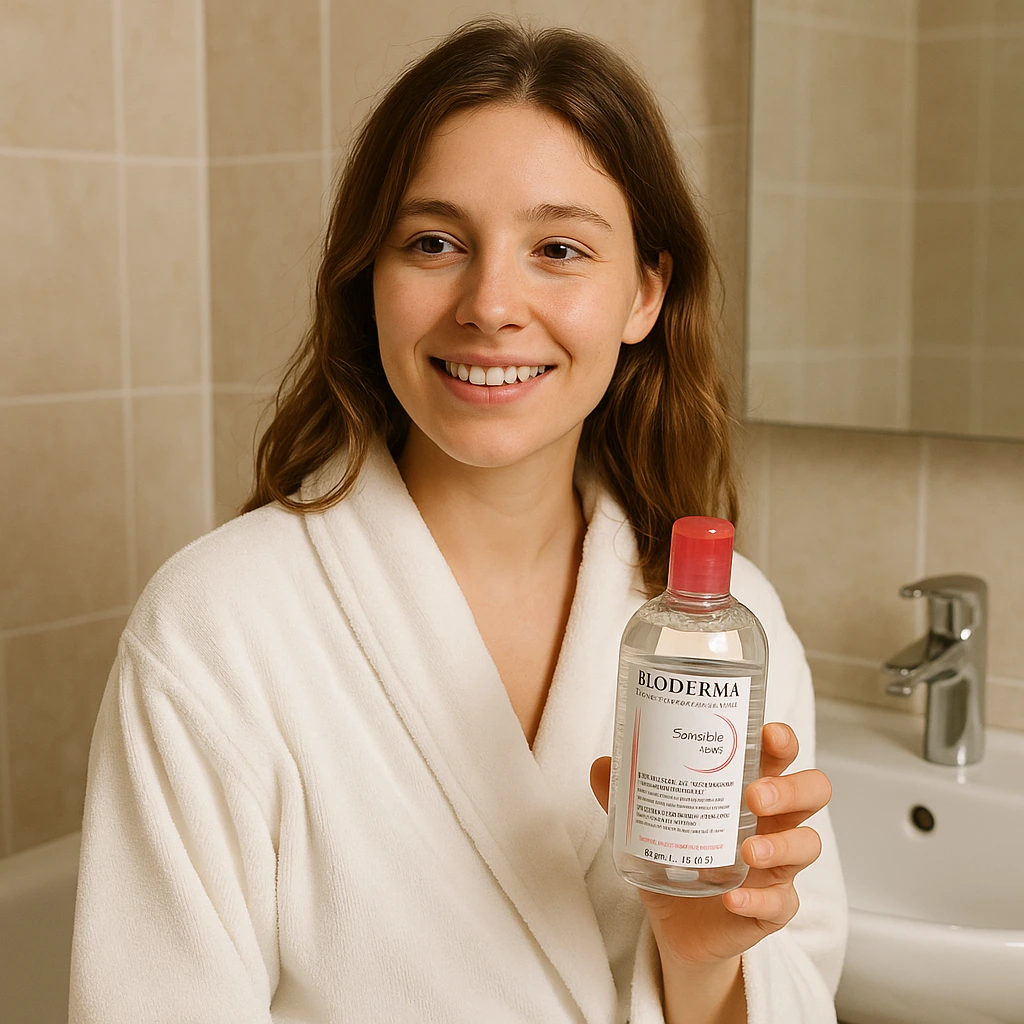
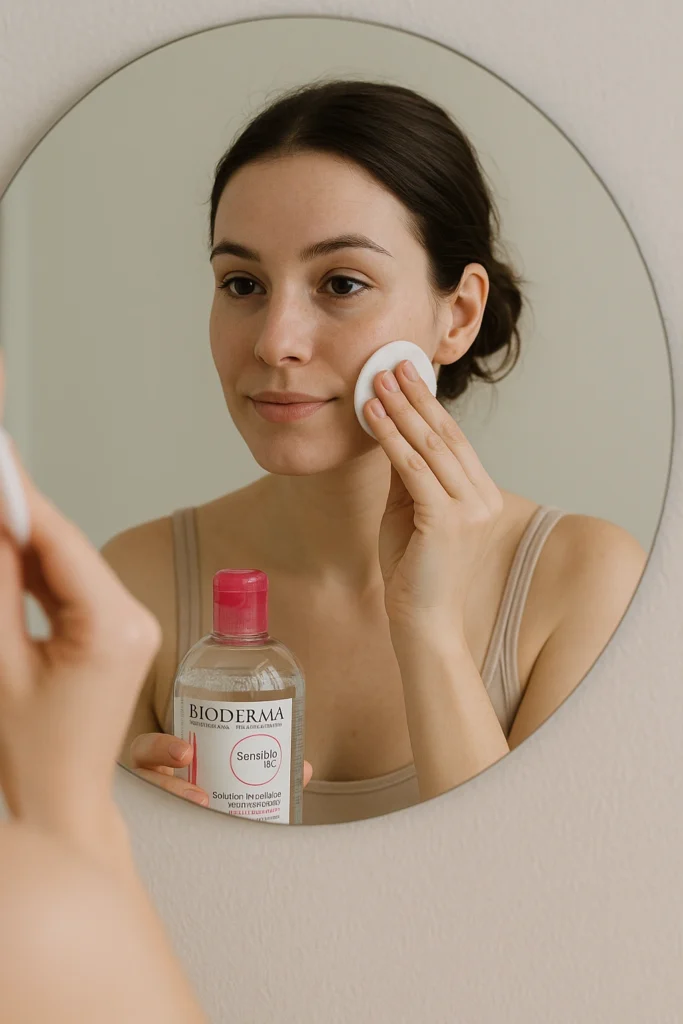
When I First Tried Bioderma: A Calm for My Sensitive Skin
Then my skin turned on me. Stress, hormonal shifts, and months under a mask clogged everything up. Blackheads, weird texture, those deep painful bumps that hurt before you can even see them. Bioderma was holding the line but it wasn’t built for actual breakouts. I needed something stronger.
So I switched to La Roche-Posay. Started with Effaclar Duo (+), and yeah, it actually worked. I noticed a difference within a couple of weeks, which surprised me, honestly. I’d assumed I was in for the usual “give it two months” routine.
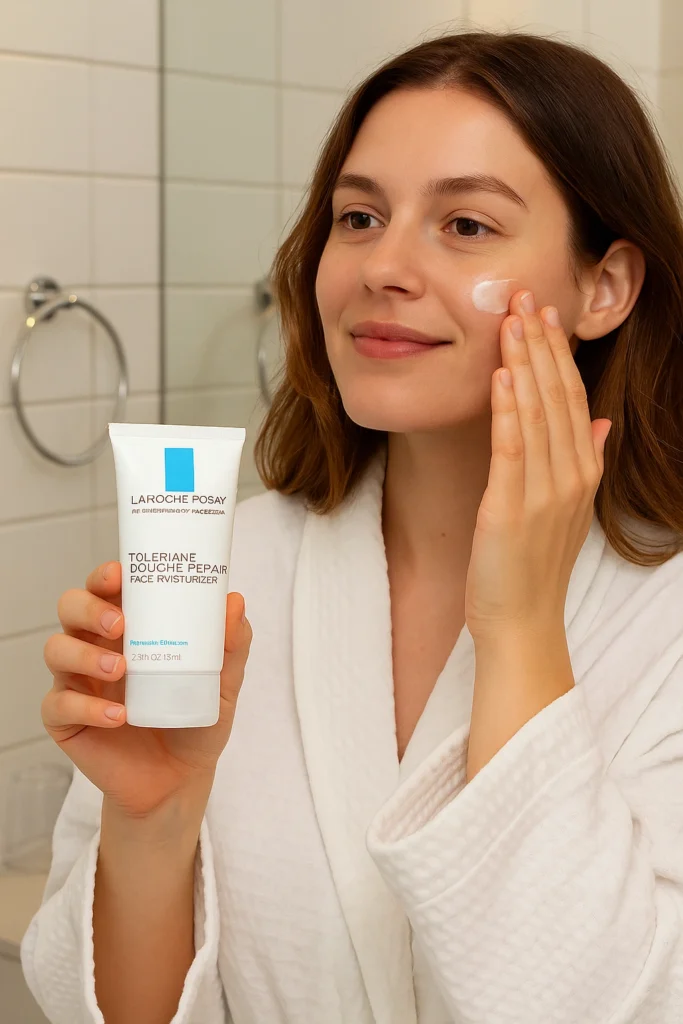
What I like about the brand is that the formulas actually have ingredients that do something. Salicylic acid, niacinamide, retinal in some of the others. The textures feel light, but it’s clearly working under the skin and not just sitting on top. After a while I started rotating depending on what my skin was up to that week. Toleriane on the days everything felt raw, Effaclar when I was oilier or breaking out. The texture smoothed out over a couple of months. Breakouts got way less frequent. And a few dark spots I’d kind of given up on faded on their own.
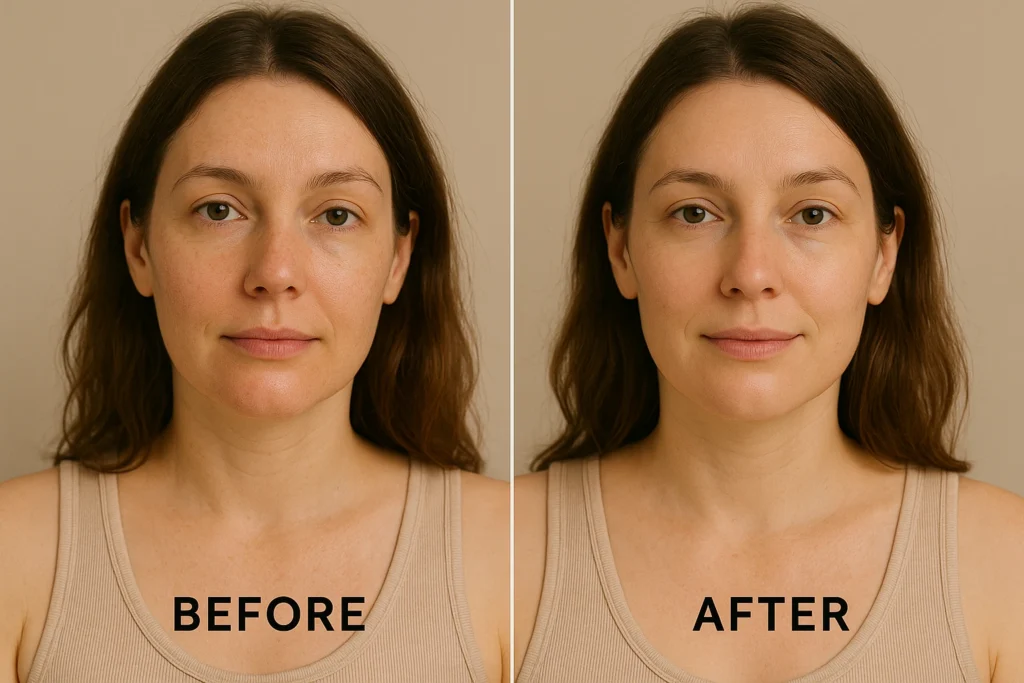
My La Roche-Posay Phase: When I Needed Real Results
Stress, hormones, masks — my skin couldn’t deal. Clogged pores, blackheads, and those deep cystic ones that ache for days before you can even see them. Bioderma kept me from getting worse, but it wasn’t actually fixing anything.
So I moved to La Roche-Posay. Started with Effaclar Duo (+) and it kicked in fast. Stronger and more targeted than what I’d been using.
What I like is that the formulas actually have stuff in them. Niacinamide, salicylic acid, retinal. The textures are light but you can feel something happening on your skin.
Now I rotate. Toleriane when my skin is being sensitive, Effaclar when it’s oily and breaking out. Texture is smoother, I’m breaking out way less, and my dark spots have faded a lot.
Big Difference I Felt Between Bioderma & La Roche-Posay
After using both brands for years, here’s the feeling I always come back to:
Bioderma = Comfort
Skincare that protects the skin barrier, reduces redness, and feels safe during flare-ups.
La Roche-Posay = Correction
Products that target acne, dark spots, oiliness, and skin texture with more powerful actives.
Which One I Reach for Today
Honestly? I use both, depending on my skin mood.
- When my face is angry, sensitive, or over-exfoliated → Bioderma saves me.
- When I want progress—clear pores, smoother texture, fewer breakouts → La Roche-Posay is my go-to.
I learned that I didn’t need to choose one brand forever. They actually complement each other beautifully. Sensibio for the calm, Effaclar or Toleriane for the results.
Which Brand Should You Choose?
If your skin is sensitive, reactive, or gets red easily → Bioderma is a safe, soothing choice.
If your main concerns are acne, oil, or dullness → La Roche-Posay will give you visible improvement.