If you’ve been recommended Alastin by a dermatologist, plastic surgeon, or med spa, you’ve probably noticed the price tag and wondered: Is this stuff actually different from what I can buy at Sephora? Or am I paying extra for the white-coat aesthetic? The short answer is yes, Alastin is considered a medical-grade (or “professional” / “physician-dispensed”) skincare brand. It’s sold through licensed practitioners, backed by clinical research, and now owned by Galderma, the largest independent dermatology company in the world. But “medical grade” itself is a slippery term. So before you decide whether Alastin is worth it, it’s worth knowing what the label actually promises and what it doesn’t.
Quick Answer
Alastin is a medical-grade skincare brand. It’s sold through dermatologists, plastic surgeons, and licensed med spas rather than drugstores or general retailers. Its products use clinically tested formulations, including the patented TriHex Technology peptide blend, and many are designed to be used alongside in-office procedures like microneedling, lasers, and injectables.
What “Medical Grade” Actually Means
Here’s the catch: the FDA doesn’t regulate the term “medical grade” for skincare. There’s no official certification, no government stamp, no committee that approves the label. Any brand can technically slap it on a bottle.
That said, in dermatology and aesthetic medicine, “medical grade” usually points to a few real differences from drugstore products:
- Higher concentrations of active ingredients. Retinols, peptides, vitamin C, and other actives are often dosed at clinically meaningful levels rather than the trace amounts in mass-market products.
- Clinical testing on the finished formula. Not just on individual ingredients, but on the actual product as it’s sold.
- Distribution through licensed providers. You typically buy these brands at a doctor’s office, plastic surgery practice, or med spa, not at Target.
- Formulations developed with input from medical professionals. Often dermatologists, plastic surgeons, or research scientists.
So when people ask if a brand is medical-grade, what they’re really asking is: is this a serious, clinically backed product, or just expensive marketing? With Alastin, the answer leans firmly toward the former.
A Quick Background on Alastin
Alastin Skincare was founded in 2015 in Carlsbad, California. From the start, it positioned itself in the physician-dispensed market rather than retail. The brand is known for its patented TriHex Technology, a peptide blend designed to support the skin’s natural production of collagen and elastin.
In late 2021, Galderma announced it would acquire Alastin, with the deal closing in January 2022. Galderma is the world’s largest independent dermatology company, present in roughly 100 countries, with a portfolio that includes Restylane, Dysport, and Cetaphil. That acquisition matters because it places Alastin within a serious dermatology business with deep R&D infrastructure.
The brand also brings real scientific firepower. Globally, Alastin holds more than 15 patents, and over 40 peer-reviewed papers have been published on its products and technology.
Why Alastin Qualifies as Medical Grade
A few specific things put Alastin in the medical-grade category, not just the marketing one.
It’s physician-dispensed. Alastin is sold through dermatologists, plastic surgery practices, and authorized med spas. You won’t find it at Ulta or in your grocery store’s beauty aisle. That distribution model is one of the clearer markers of professional skincare.
It’s backed by clinical research. Alastin doesn’t just claim its products work. It runs clinical studies and publishes the results. The TriHex Technology, in particular, has been studied for its role in supporting collagen and elastin production after the skin breaks them down with age and sun damage.
It’s designed for use alongside procedures. This is one of Alastin’s clearest specialities. Many of its products are formulated specifically for pre- and post-procedure use, meaning they’re meant to prep your skin before a laser treatment or microneedling session and help it recover afterwards. That’s not something OTC brands are typically designed to do.
The team behind it is medical, not just marketing. Alastin’s scientific leadership includes plastic surgeons and formulation chemists with decades of experience. Professor Alan Widgerow, the chief scientific officer, spent 20 years in plastic surgery before moving into research.
Where You Can Buy Alastin
This is where things get practical, because it’s also where people get burned.
Alastin is sold through authorized providers: dermatology offices, plastic surgery practices, licensed med spas, and authorized online retailers tied to those practices. The brand maintains an authorized provider locator on its website.
What you should be careful about: Alastin shows up on Amazon, eBay, and various third-party sites. The brand has been clear that products sold outside their authorized network may be counterfeit, expired, or improperly stored. Skincare actives degrade with heat and time, so a product that’s been sitting in a warehouse or shipped through a non-temperature-controlled supply chain may not work the way it should, even if the bottle looks identical.
If you want the real thing, buy from a provider’s office or a verified online dispensary like SkinMedix, LovelySkin, or DermStore (when they’re listed as authorized).
Alastin vs. Drugstore Skincare: The Real Differences
| Drugstore / OTC | Alastin (Medical Grade) | |
|---|---|---|
| Where you buy it | Anywhere | Licensed providers only |
| Active ingredient concentration | Lower | Higher, clinically dosed |
| Clinical testing on full formula | Rare | Standard |
| Designed for use with procedures | No | Yes |
| Price | $10 to $40 | $55 to $200+ |
| Provider guidance | None | Usually included |
The drugstore tier isn’t useless. There are good products at every price point, and a $25 sunscreen used daily will do more for your skin than a $200 serum used inconsistently. But if you’re recovering from a procedure or trying to address something specific like crepey skin or post-injection bruising, the medical-grade tier is where the formulations get more targeted.
Is Alastin Actually Worth It?
Here’s where I’ll be honest: Alastin is expensive, and not every product will be worth it for every person.
It’s most worth it if:
- You’re getting in-office procedures (laser, microneedling, fillers, surgery) and want to optimize your results and recovery.
- You have specific concerns like loss of firmness, crepey skin, or post-procedure healing, where peptide-based formulations have a clearer role.
- You’ve tried OTC for years and want to step up to something with more clinical backing.
It’s probably not worth it if:
- You’re new to skincare and don’t have a basic routine in place yet. Sunscreen, a gentle cleanser, and a retinoid will outperform a stack of expensive serums you forget to use.
- You’re shopping based on social media hype rather than your actual skin goals.
- You can’t get it through an authorized provider, in which case the risk of counterfeits isn’t worth the savings.
Popular Alastin Products Worth Knowing
A few of Alastin’s standouts:
- Restorative Skin Complex is the brand’s flagship anti-aging serum, used widely for general skin rejuvenation.
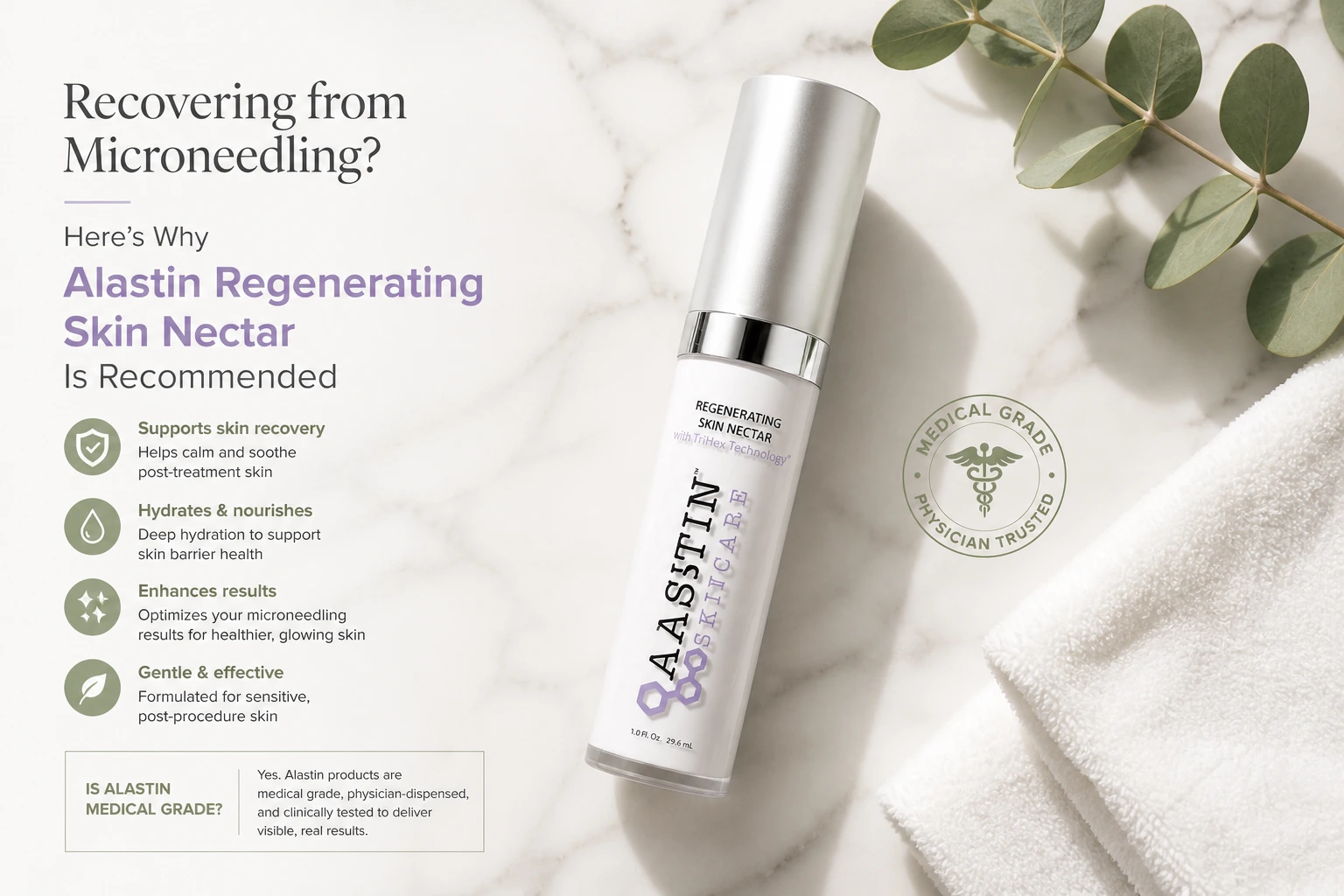
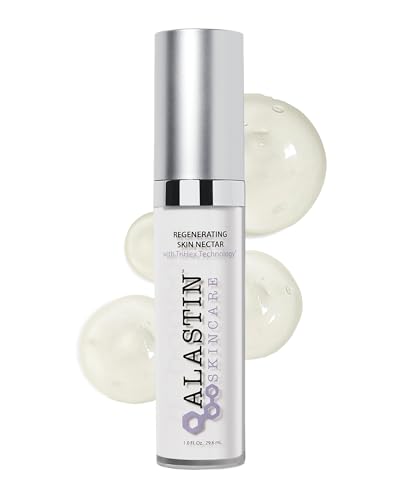
- Regenerating Skin Nectar is the post-procedure go-to, designed to support healing after lasers, microneedling, and similar treatments.
- INhance Post-Injection Serum is formulated specifically to support recovery after fillers and injectables, and it’s one of the products Alastin is best known for.
- HA Immerse Serum is a hyaluronic acid serum aimed at hydration and barrier support.
If you’re working with a provider, ask which products are right for your specific concerns. The product line is wide, and not all of it is for everyone.
Frequently Asked Questions
No skincare brand is “FDA approved” in the way drugs are. The FDA regulates cosmetics differently. What matters is whether ingredients are safe and whether claims are accurate, both of which Alastin meets.
“Better” depends on what you need. SkinCeuticals is known for its antioxidant serums (especially C E Ferulic). ZO Skin Health leans more aggressively with retinoids and is often used for pigmentation. Alastin’s strength is peri-procedure care and its TriHex peptide technology. Many providers carry more than one of these brands and recommend different ones for different goals.
No. You don’t need a prescription, but you typically need to buy it through a licensed provider or authorized retailer.
Many Alastin products are formulated to be gentle, and the brand markets several products as suitable for sensitive skin. That said, “sensitive” varies. If you have rosacea, eczema, or a history of reacting to actives, ask your provider before starting anything new.
Most peptide and collagen-supporting products need 8 to 12 weeks of consistent use before visible changes show up. Post-procedure products work on a shorter timeline because they’re addressing acute healing.
So, Is Alastin Medical Grade?
Yes. By every reasonable definition of the term, Alastin qualifies. It’s physician-dispensed, clinically tested, formulated by people with medical and scientific backgrounds, and now part of one of the world’s largest dermatology companies.
Whether it’s the right brand for you is a different question. The label tells you it’s serious. Your skin, your goals, and your budget tell you whether it’s worth it. If you’re already working with a dermatologist or plastic surgeon, ask them. That conversation will get you further than any blog post, including this one.