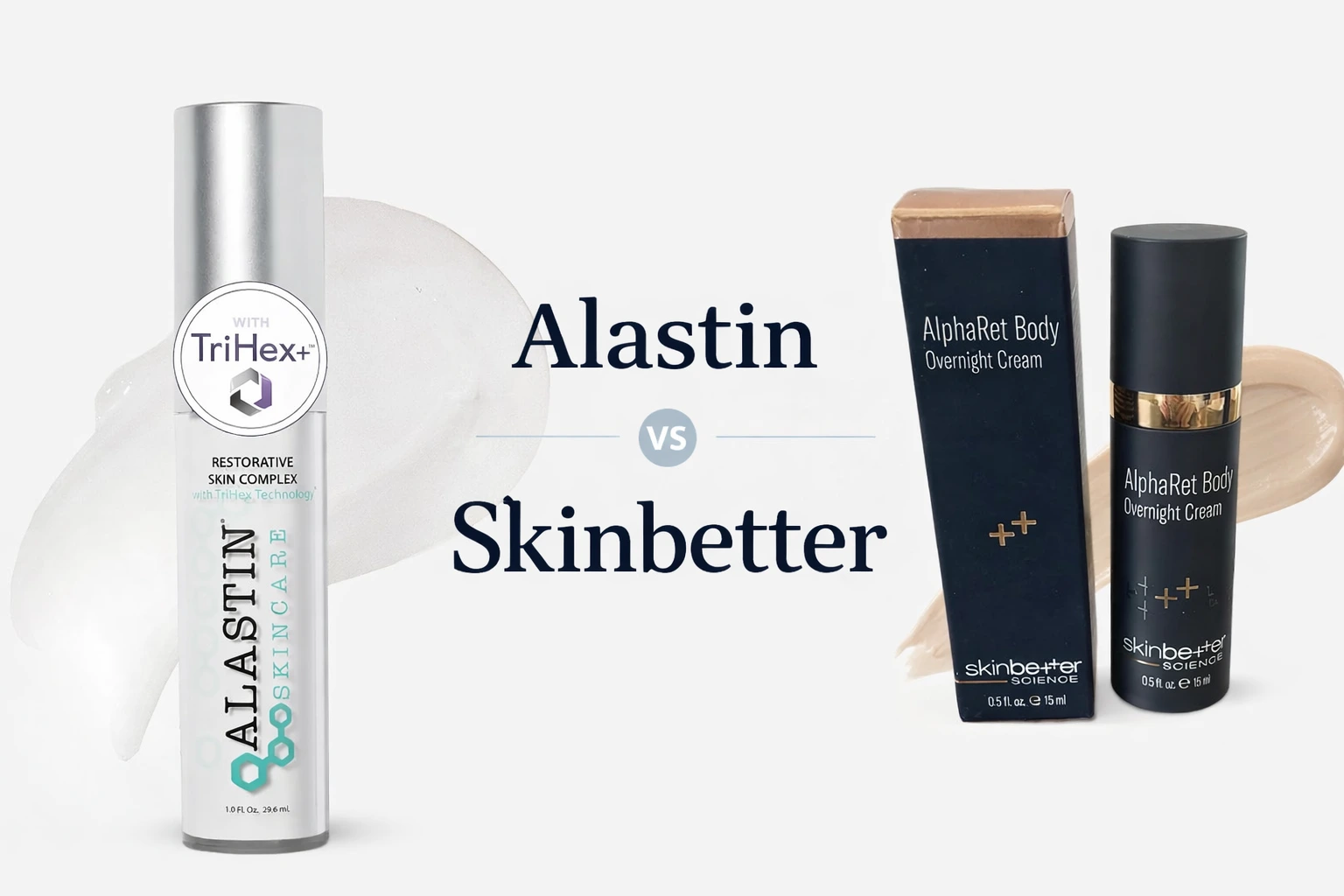
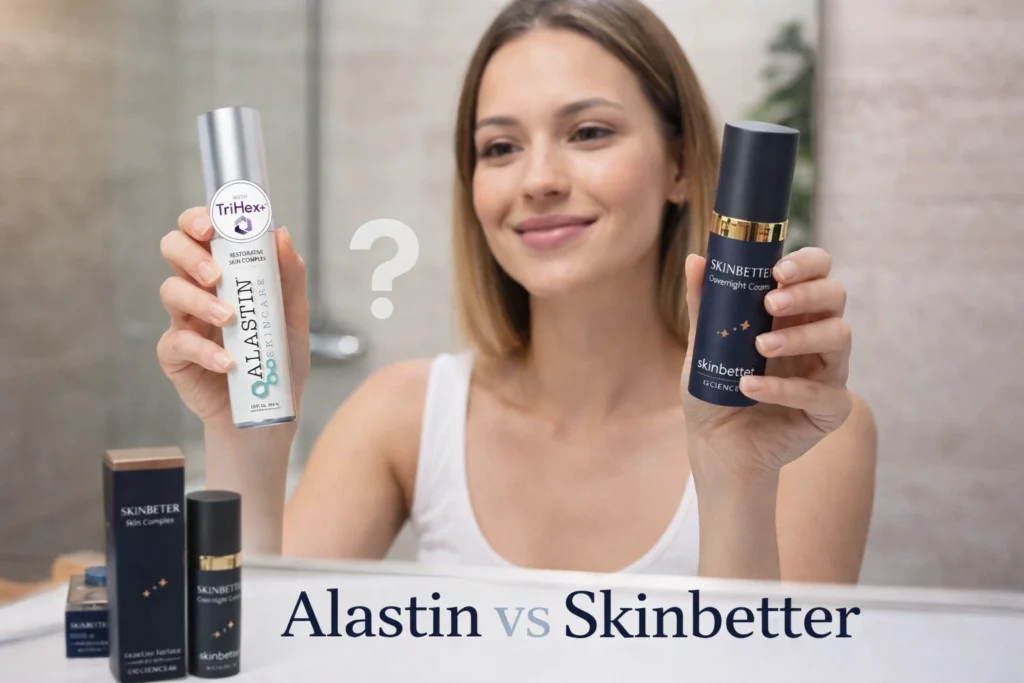
When I first started looking into Alastin vs Skinbetter, I felt overwhelmed. Both brands are popular in medical-grade skincare, both are recommended by dermatologists, and both come with premium price tags. As a woman who cares deeply about skin health, aging gracefully, and getting real value for money, I decided to try Alastin Skincare and Skinbetter Science myself. I wanted real answers, not marketing promises. Over several months, I tested products from each brand, paid close attention to how my skin reacted, and tracked real changes. In this post, I’ll share my personal experience in a clear, honest, and easy-to-read way. I’ll also explain what each brand does best, who should buy which one, and finally, which brand I believe is the better overall choice.
My Skin Type and What I Was Looking For
Before comparing Alastin vs Skinbetter, it’s important to explain my skin. I’m in my 30s, with combination skin that leans dry in winter and slightly oily in summer. I also struggle with early fine lines, uneven texture, and dullness. My main goals were simple: smoother skin, better hydration, and visible anti-aging results without irritation. I’ve tried many drugstore and luxury brands before, so my expectations were realistic but high. I wanted skincare backed by science, not trends. Both Alastin and Skinbetter promised results through advanced formulas, so I felt they were worth the investment. I also wanted products that fit into a simple routine. Complicated routines don’t work for me long-term. This background matters because skincare is personal, and results can change depending on your skin type and lifestyle.
Getting to Know Alastin: First Impressions
My journey started with Alastin. Alastin is well-known for its focus on skin rejuvenation and supporting the skin’s natural renewal process. When I first used Alastin products, I noticed how lightweight and elegant the textures were. Nothing felt heavy or greasy. The brand talks a lot about supporting collagen and elastin, which are key for firm and youthful skin. Within the first two weeks, my skin felt calmer and more balanced. Redness was reduced, and my skin looked healthier overall. Alastin didn’t give me instant dramatic results, but it felt like my skin was slowly getting stronger. I liked that the formulas didn’t sting or cause breakouts. For someone with sensitive or post-procedure skin, Alastin felt very safe and gentle while still being effective.
My Experience Using Alastin Long-Term
After using Alastin consistently for about eight weeks, I started noticing deeper changes. My skin texture improved, and fine lines around my mouth looked softer. What stood out most was how resilient my skin felt. Even when I skipped a night of skincare, my skin didn’t feel dry or tight the next morning. Alastin seems to work quietly in the background, helping your skin repair itself over time. It didn’t clog my pores, and I never experienced irritation. However, I will say that the results were gradual. If you want fast, dramatic changes, Alastin might feel slow. But if you value long-term skin health and prevention, it shines. I began to see Alastin as an investment in future skin rather than a quick fix.
Trying Skinbetter: Stronger and More Results-Driven
When I switched to Skinbetter, the experience felt very different. Skinbetter is known for powerful active ingredients and advanced technology. From the first week, I could tell these products were more intense. My skin felt smoother almost immediately, especially after using their treatment products. Skinbetter focuses on visible results like brighter skin, fewer wrinkles, and improved tone. I noticed changes faster than I did with Alastin. My pores looked smaller, and my skin had a glow that people commented on. However, I also had to be more careful. Some products caused mild tingling at first, which didn’t happen with Alastin. Skinbetter felt more like a “results-first” brand, and less about gentle support.
How My Skin Reacted to Skinbetter Over Time
After about six weeks with Skinbetter, the improvements were clear. My skin looked smoother, firmer, and more even in color. Fine lines on my forehead were less noticeable, and my makeup applied better. That said, Skinbetter required discipline. I had to moisturize well and avoid overusing products. On days when my skin barrier felt weak, I noticed dryness faster than I did with Alastin. Skinbetter works hard, and your skin feels it. I wouldn’t recommend it to someone with very sensitive skin without professional guidance. Still, if you want noticeable changes and are comfortable using active ingredients, Skinbetter delivers strong results. It felt like a brand designed for people serious about skin correction.
Ingredients and Science: Alastin vs Skinbetter
When comparing Alastin vs Skinbetter, the science behind each brand matters. Alastin focuses on supporting the skin’s natural processes, especially collagen and elastin renewal. Its formulas are designed to work with your skin, not push it too hard. Skinbetter, on the other hand, uses advanced delivery systems to maximize the power of active ingredients. This means faster and more visible results, but also a higher chance of sensitivity if used incorrectly. Both brands are backed by research and are often sold through dermatology clinics. In my experience, Alastin felt more preventive and restorative, while Skinbetter felt corrective and transformative. Neither approach is wrong—it depends on your skin goals and tolerance level.
Price, Value, and Everyday Use
Let’s talk honestly about price. Both Alastin and Skinbetter are expensive. You’re paying for research, quality ingredients, and medical-grade formulations. With Alastin, I felt the value in how long the products lasted and how stable my skin became. With Skinbetter, the value came from visible results in a shorter time. If you’re on a budget and can only choose one product, Skinbetter might feel more rewarding at first. But if you want a full routine that supports your skin every day with minimal risk, Alastin felt easier to maintain. Over time, I realized value isn’t just about fast results—it’s also about comfort, consistency, and skin health.
My Final Verdict: Which One Is Best to Buy?
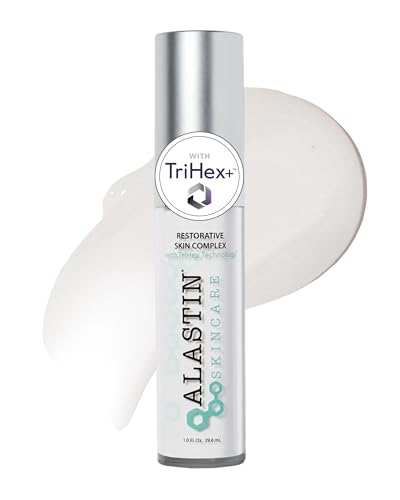
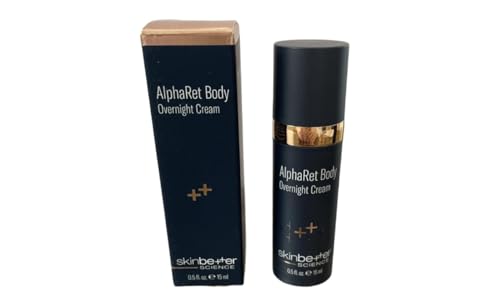
After months of testing, my honest answer to Alastin vs Skinbetter is this: Skinbetter is better for visible anti-aging results, while Alastin is better for long-term skin health and prevention. If I had to choose only one brand overall, I would personally choose Skinbetter because of the noticeable improvements in texture, tone, and glow. However, I would only recommend it to someone ready to commit to proper use and barrier care. For sensitive skin or post-procedure recovery, Alastin is the safer and gentler choice. In a perfect world, I would use Skinbetter for treatment and Alastin for maintenance. But if you want the best balance of power and results, Skinbetter wins for me.