Choosing between Alastin and SkinCeuticals can feel confusing, especially since both brands are popular in dermatologist offices and medical spas. Many people search for this comparison because they want real results for aging skin, fine lines, uneven tone, or recovery after skin treatments. Although these brands may appear similar at first glance, they operate in distinctly different ways. Understanding how each brand works, who it is best for, and what results you can expect will help you avoid wasting money and choose the right product for your skin goals.
Quick Verdict: Alastin or SkinCeuticals?
If you want a fast answer before diving into details, here it is.
–Alastin is ideal for individuals who prioritise skin repair, firmness, and recovery, particularly before or after cosmetic procedures such as microneedling or laser treatments.
–SkinCeuticals is better for daily skincare, especially if your main goals are anti-aging, brightening, acne support, or protecting your skin from environmental damage. Both brands are high quality, but they serve different purposes, which is why choosing based on your skin needs is more important than choosing based on brand popularity.
Overview of Alastin Skincare
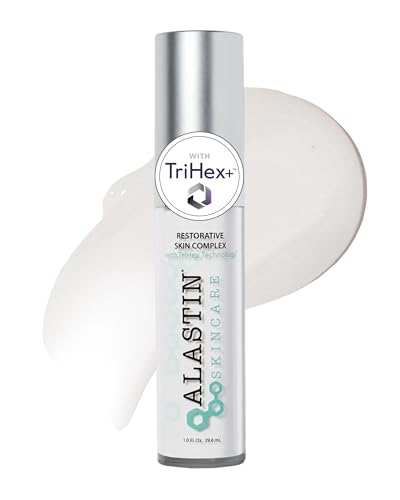
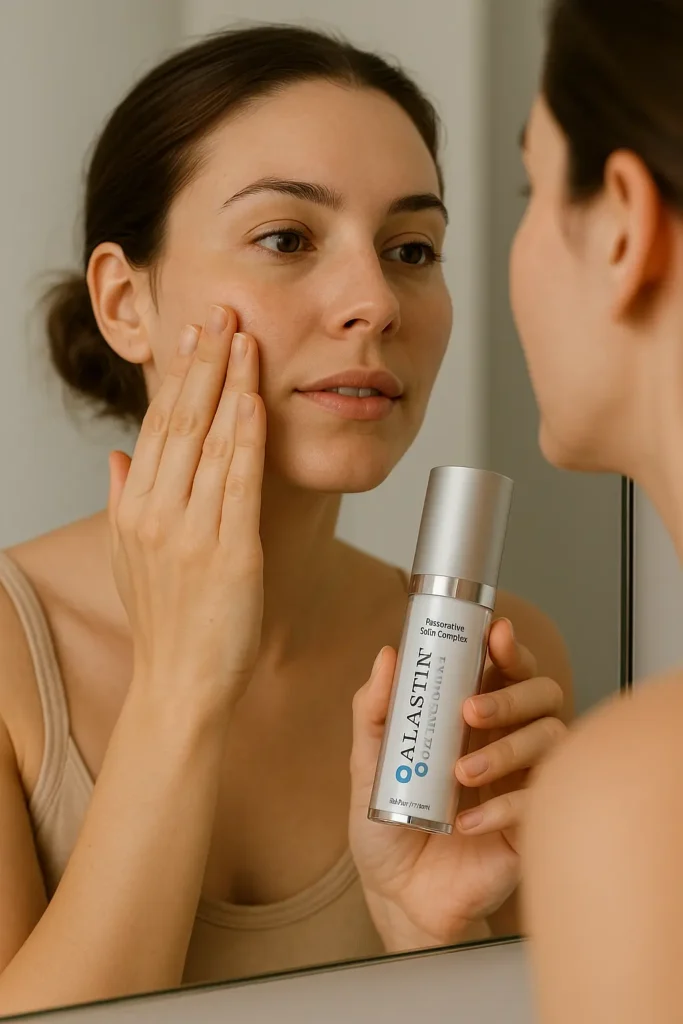
Alastin Skincare is a medical-grade brand that focuses mainly on helping the skin repair itself. The brand is well known for its TriHex Technology, which is designed to help remove damaged collagen and elastin while supporting the skin’s natural rebuilding process. Alastin products are often recommended by dermatologists before and after cosmetic treatments because they help improve skin strength and healing. This brand is especially popular among people who want firmer skin, better texture, and long-term anti-aging support rather than quick surface-level results.
Overview of SkinCeuticals
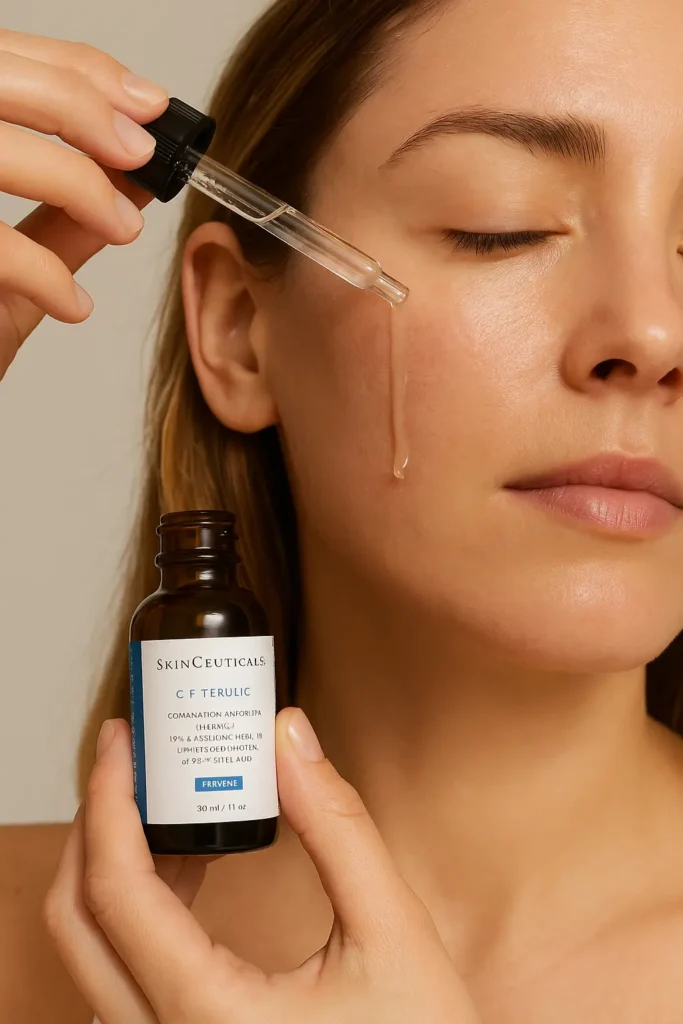
SkinCeuticals is also a medical-grade skincare brand, but it focuses more on daily skin correction and protection. The brand is famous for its antioxidant serums, especially vitamin C formulas that are backed by years of scientific research. SkinCeuticals products are designed to protect the skin from environmental damage, improve fine lines, brighten dark spots, and support overall skin health. Many dermatologists recommend SkinCeuticals for people who want visible results from everyday skincare without needing in-office treatments to see improvement.
Alastin vs SkinCeuticals: Key Differences Explained
The biggest difference between Alastin and SkinCeuticals is how they work on the skin. Alastin focuses on improving the skin’s foundation by helping it remove damaged proteins and rebuild healthier ones over time. SkinCeuticals works more on the surface and upper layers of the skin by protecting it from damage and correcting existing issues like wrinkles or discoloration. This means Alastin is often used as part of a long-term skin health plan, while SkinCeuticals fits easily into a daily skincare routine.
Ingredient Comparison: What Makes Them Work?
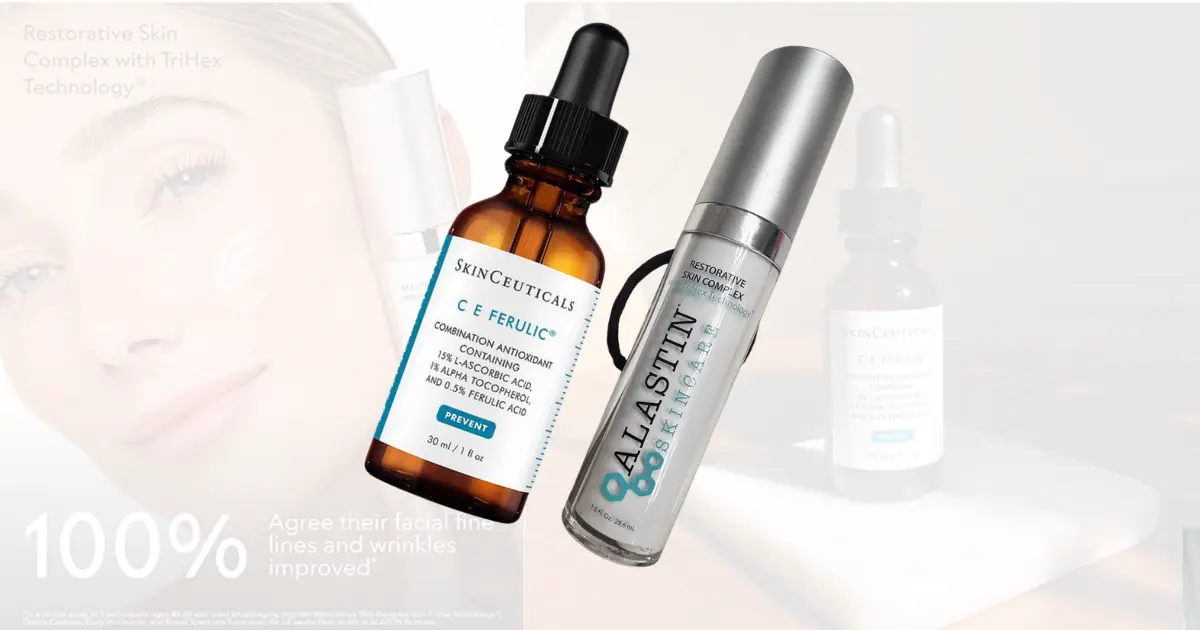
Alastin products are built around peptides, especially TriHex peptides, which support the skin’s natural renewal process. These ingredients are not meant to give instant glow but instead help improve firmness and elasticity over time. SkinCeuticals, on the other hand, is known for powerful active ingredients like L-ascorbic acid, ferulic acid, and vitamin E. These ingredients help fight free radicals, support collagen production, and improve skin tone. People who enjoy visible, daily improvements often prefer SkinCeuticals, while those focused on deeper repair often choose Alastin.
Which Brand Is Better for Anti-Aging?
When it comes to anti-aging, both brands are effective, but they approach the problem differently. Alastin is better for people who want to slow down visible aging by strengthening the skin from within. It is especially helpful for sagging skin and loss of firmness. SkinCeuticals is better for treating visible signs of aging like fine lines, wrinkles, and dullness through daily use. If your main concern is prevention and long-term skin quality, Alastin may be the better option. If you want faster visible changes, SkinCeuticals may suit you more.
Can You Use Alastin and SkinCeuticals Together?
Yes, many dermatologists recommend using Alastin and SkinCeuticals together because they do different jobs. Alastin can be used to support skin repair and strength, while SkinCeuticals can be used to protect and correct the skin daily. For example, you might use a SkinCeuticals vitamin C serum in the morning to protect your skin from damage and an Alastin treatment at night to support repair. Using both together can give better results than using only one brand, as long as your skin tolerates the products well.
Price Comparison and Value for Money
Both Alastin and SkinCeuticals are premium skincare brands, so their prices are higher than drugstore products. Alastin products are often more expensive, especially because they are designed for long-term skin improvement and procedure support. SkinCeuticals products are also costly, but many people feel the price is worth it because of the strong research behind the formulas and the visible results. The better value depends on your goal. If you invest in skin treatments, Alastin may save money long term. For daily skincare results, SkinCeuticals often feels more rewarding.
Final Recommendation: Alastin or SkinCeuticals?
If you are still deciding between Alastin and SkinCeuticals, the best choice depends on what your skin truly needs.
-Choose Alastin if your focus is skin repair, firmness, and supporting professional treatments.
-Choose SkinCeuticals if you want powerful daily skincare that improves tone, texture, and signs of aging with proven ingredients. Many people see the best results by using both brands together in a balanced routine. No matter which one you choose, both brands are trusted, dermatologist-recommended options for serious skincare results.