
4 minutes
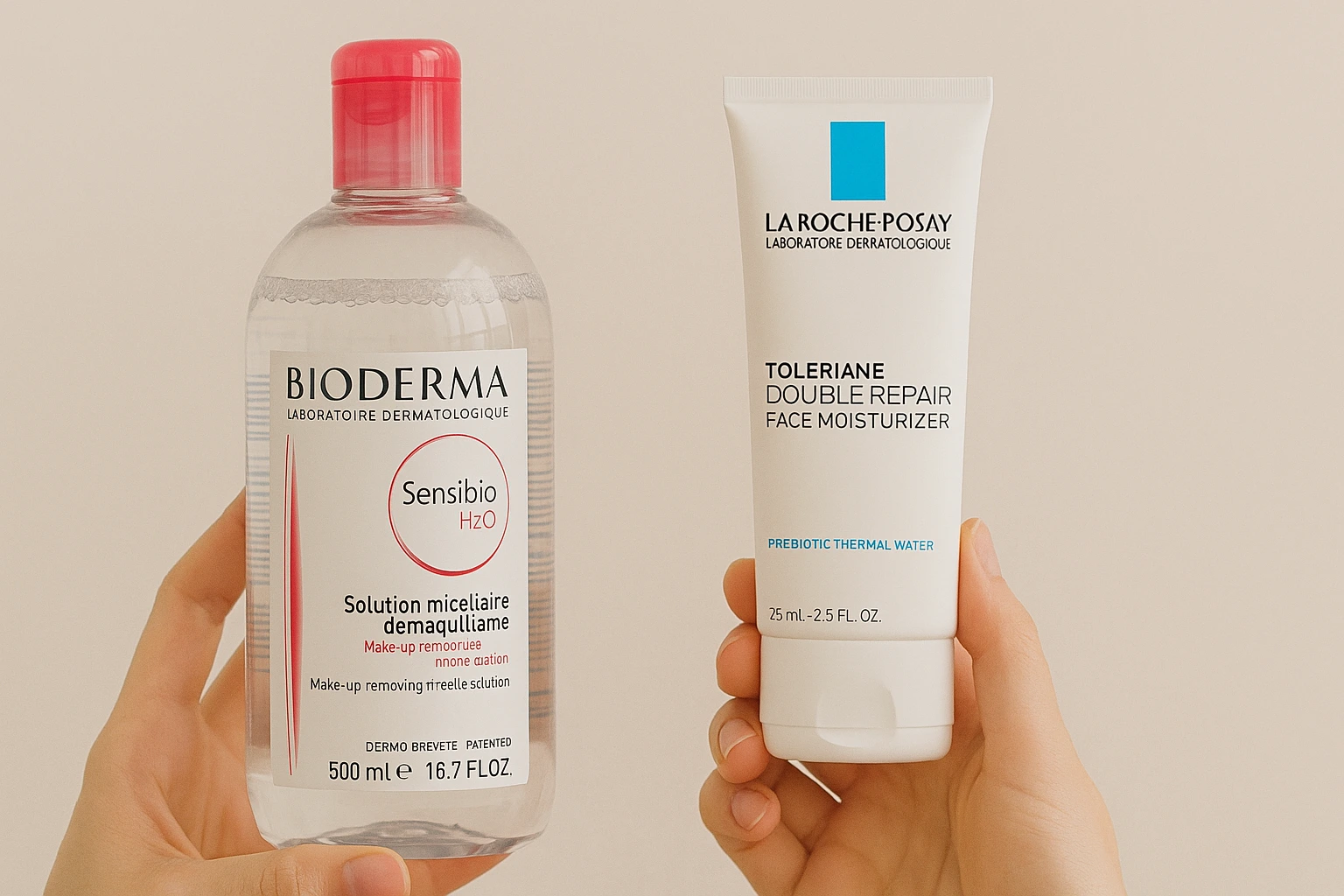
If you’re anything like me, you’ve probably stood in the skincare aisle staring at two big French pharmacy giants—Bioderma vs La Roche-Posay—wondering which one is actually worth your money. I’ve been going back and forth between these two for years, and my skin has lived through every phase: sensitive, dehydrated, hormonal, and even those random “why is my face doing this?” days.
Here’s my honest, story-driven comparison to help you decide.
When I First Tried Bioderma: A Calm for My Sensitive Skin
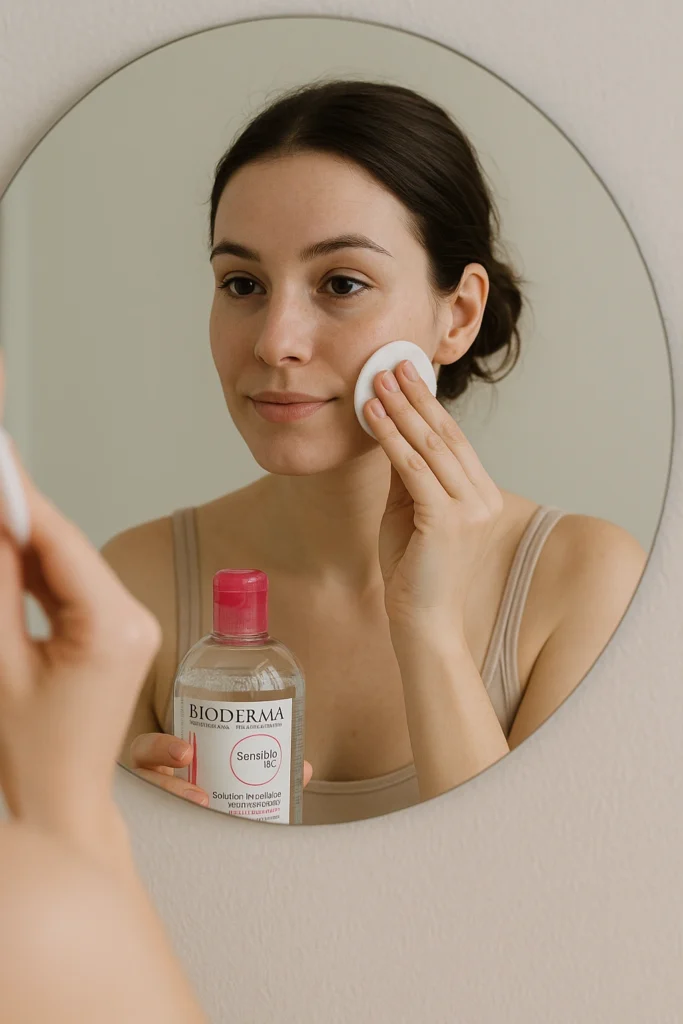
My relationship with Bioderma started during a bad period of irritation. My skin was red, tight, and reacting to almost everything—even water felt harsh. Every beauty forum kept repeating the same name: Bioderma Sensibio H2O.
The first time I used it, I finally understood the hype. It felt like wiping my face with something made for babies—gentle, soothing, zero burning. Over time, I tested more from the Sensibio line, and that same theme kept showing up: calmness. Bioderma products always felt like a soft reset button for my skin.
What I loved most was how uncomplicated the formulas were. No strong perfumes, no strong actives—just clean, simple skincare that gave fast relief. Whenever my skin barrier was damaged, Bioderma was the brand I trusted.
My La Roche-Posay Phase: When I Needed Real Results
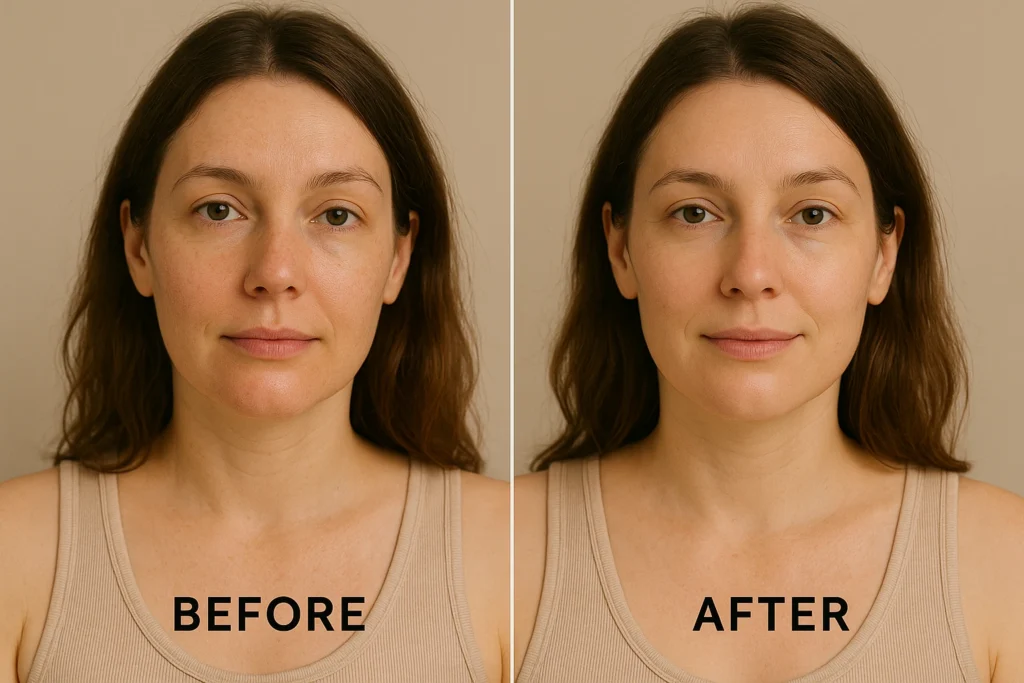
But then came my breakout phase. Stress, hormonal changes, and mask-wearing left me with clogged pores, blackheads, and those deep painful pimples. Bioderma kept my skin calm, but it wasn’t strong enough to stop the breakouts.
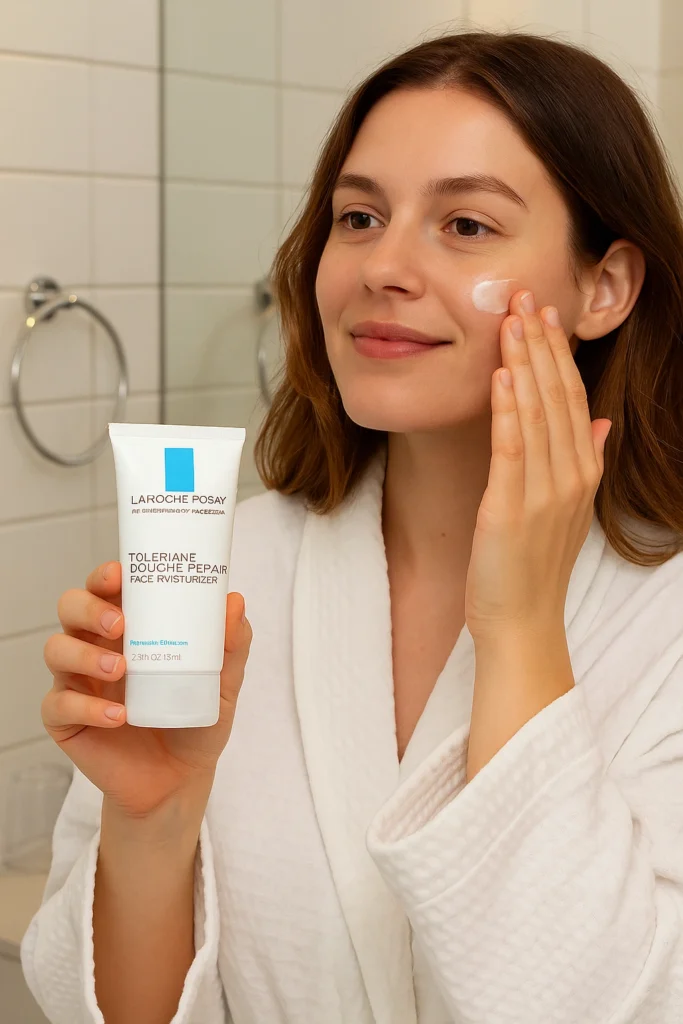
So I switched to La Roche-Posay, starting with the famous Effaclar Duo (+).
The difference was immediate—more active, more targeted, and definitely stronger.
La Roche-Posay felt like “serious skincare.” Their formulas have powerful ingredients like niacinamide, salicylic acid, and retinal. The textures are elegant but active—you feel like something is working under the surface.
I used their Toleriane line on sensitive days and Effaclar on oily/acne days. The combination helped smooth my texture, clear breakouts, and even brighten dark spots.
The Big Difference I Felt Between Bioderma & La Roche-Posay
After using both brands for years, here’s the feeling I always come back to:
Bioderma = Comfort
Skincare that protects the skin barrier, reduces redness, and feels safe during flare-ups.
La Roche-Posay = Correction
Products that target acne, dark spots, oiliness, and skin texture with more powerful actives.
Which One I Reach for Today
Honestly? I use both, depending on my skin mood.
- When my face is angry, sensitive, or over-exfoliated → Bioderma saves me.
- When I want progress—clear pores, smoother texture, fewer breakouts → La Roche-Posay is my go-to.
I learned that I didn’t need to choose one brand forever. They actually complement each other beautifully. Sensibio for the calm, Effaclar or Toleriane for the results.
Which Brand Should You Choose?
If your skin is sensitive, reactive, or gets red easily → Bioderma is a safe, soothing choice.
If your main concerns are acne, oil, or dullness → La Roche-Posay will give you visible improvement.