Picking a skincare line is annoying. You go to the dermatologist, and the same two names keep showing up on the shelf: Obagi and SkinMedica. Both cost a lot. Both promise glowing skin. So which one do you actually buy? I spent way too long on this. Read the reviews, dug into ingredient lists, asked around. The answer isn’t really “this one is better.” It’s that they do different things. Obagi is the brand you turn to when you want your skin to change, and change soon. SkinMedica is calmer. It works in the background for months. I’ll get into both so you can figure out which makes sense for you.
Obagi or SkinMedica: What Sets Them Apart?
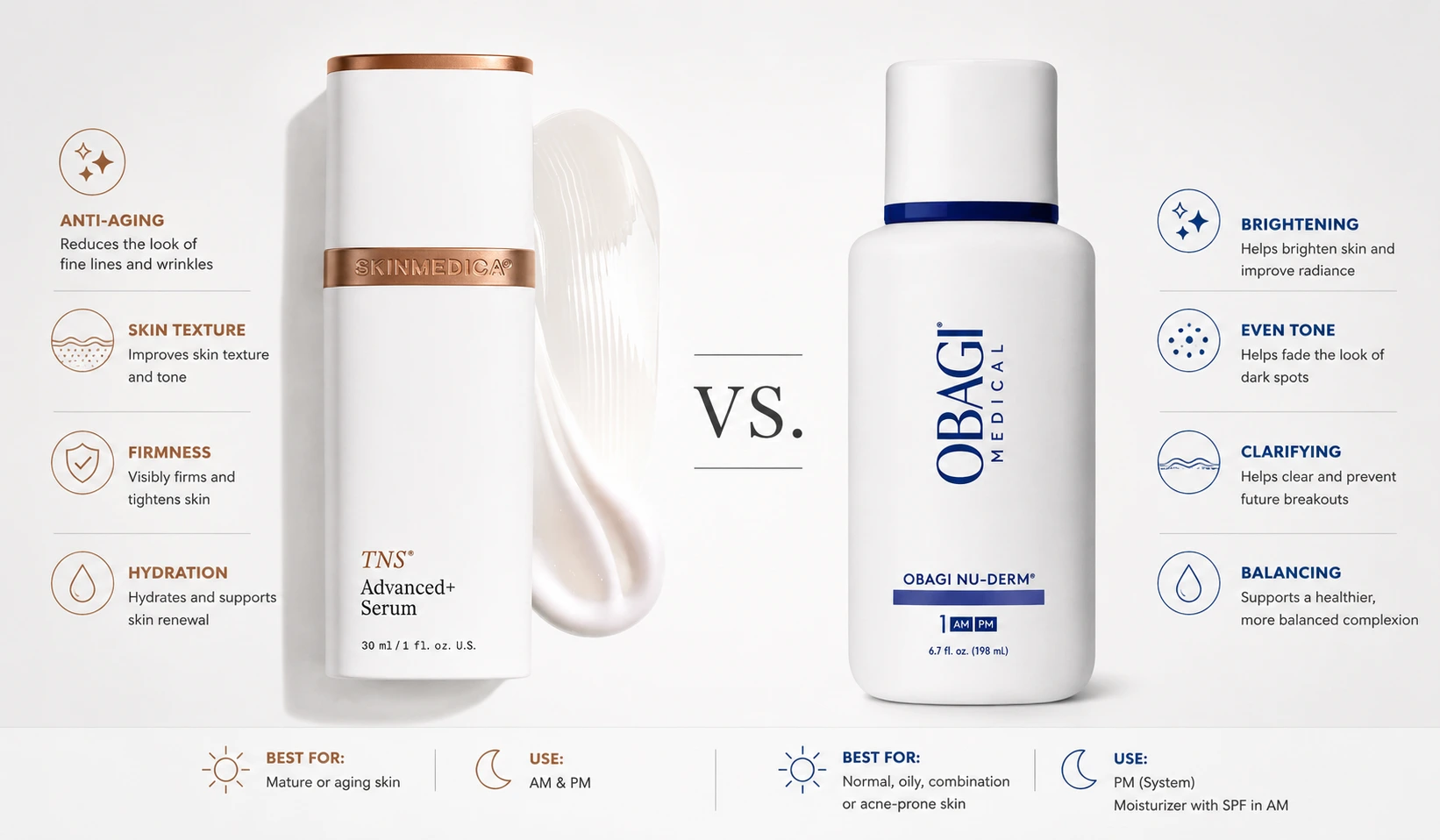
Obagi has been around since 1988, and it has built a reputation on going after the hard stuff: dark spots, deep sun damage, melasma, the kind of acne that laughs at drugstore products. The formulas lean on hydroquinone, retinol, and high-dose vitamin C, which basically tell your skin to speed up cell turnover. SkinMedica came along later with a softer game plan. It uses growth factors and peptides to nudge your skin to heal itself rather than pushing it. Honestly, the two brands feel different the second you touch them. Obagi feels like something your dermatologist prescribed. SkinMedica feels like something from a really nice spa. Both work, and the path you want depends on how patient you are.
Obagi or SkinMedica for Tough Skin Problems
For the stubborn stuff, deep melasma, years of sun damage, the kind of thing that doesn’t budge, Obagi usually wins. It’s what dermatologists pull off the shelf when someone walks in really frustrated. The formulas are strong, and you’ll feel it. Most people peel. Your skin can stay red for a couple of weeks, which sounds bad but is actually how the whole thing works: damaged top layers come off, and fresher skin shows up underneath. Some people roll with it. Others quit by day five. If you can tough out a rough first month, Obagi delivers.
Top Obagi Product
The Nu-Derm Fx System is the Obagi name most people recognise. You get a cleanser, toner, brightening cream, and retinol, and you have to use them in order. It’s a plan, not a routine. Most people pick it up for dark spots, melasma, or old sun damage that won’t budge. The Fx version uses arbutin instead of hydroquinone. Gentler, but it still does the job. If a four-step kit sounds like a lot, the Professional-C Serum 15% is fine on its own. It brightens, fights free radicals, and works under sunscreen. One catch: you can’t grab either one off a drugstore shelf. They’re only sold through dermatologists and skin clinics.
How Long Does Obagi Take to Work
Obagi is fast by skincare standards, but fast still means weeks, not days. Most people see small changes in about two to four weeks. Your skin might look kind of rough at the start. That’s the active ingredients doing their thing, and it scares people the first time it happens, but it’s fine. Bigger stuff — dark spots fading, texture smoothing out — usually shows up somewhere around week six to twelve. The full Nu-Derm system runs about 18 weeks. After that, most people go back to something lighter just to keep what they earned. And yeah, you have to actually use it. Skip days, and the whole timeline drags.
SkinMedica’s Gentler Approach
SkinMedica is the slow option, and I mean that as a compliment. It doesn’t try to shock your skin into changing. The brand’s big thing is TNS, short for Tissue Nutrient Solution, a growth factor blend that softens fine lines and evens out tone the more you use it. Formulas feel mild. Hardly anyone peels or turns red, which matters if your skin freaks out at every new product. The trade-off is obvious: don’t expect a wow moment at two weeks. You’re signing up for daily use for months. Skin gets better, just slowly enough that you almost don’t notice until someone says you look great.
Top SkinMedica Product
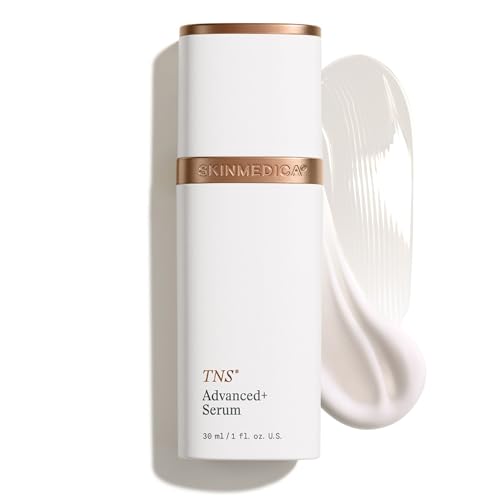
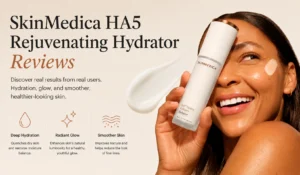
Most people who try SkinMedica end up with TNS Advanced+ Serum on their counter. It’s the one the brand is known for. One bottle goes after fine lines, a little sagging, and patchy tone all at once, using growth factors plus peptides and antioxidants. Yes, it’s expensive. Reviewers say it’s worth the money, and a bottle lasts about three months if you’re not heavy-handed. The HA5 Rejuvenating Hydrator is the other big seller, and it’s a much smaller spend. Five kinds of hyaluronic acid plump the skin and hold water, and it makes whatever you layer on after it sit better. Sensitive skin handles both fine.

How Long Does SkinMedica Take to Work
SkinMedica takes its time. The first two weeks, your skin will feel softer and more hydrated, and that’s pretty much it. Around week six, you start to actually see something. By month three, fine lines look softer, and your skin tone evens out. The studies on TNS Advanced+ Serum found visible changes in deeper wrinkles around week 12, with more improvement at the six-month mark. So give it three months before you decide whether it’s working for you. One nice thing is you don’t have to cycle off it the way you do with stronger products. Daily use is fine.
Obagi or SkinMedica: Price and the Daily Feel
Both brands cost real money. A full Obagi system can run $400 to $600. The TNS Advanced+ Serum from SkinMedica is around $295 for one bottle. Neither is cheap, but you’re paying for medical-grade formulas you can’t get at the drugstore. Day to day, the two feel pretty different. Obagi feels like a job. You have steps, you might count weeks, and your skin goes through phases. SkinMedica feels more like a treat. The textures are nicer, the bottles look pretty, and you don’t have to plan around peeling. Some people love the routine of Obagi. Others want skincare that just feels good.
Obagi or SkinMedica for Sensitive Skin
If your skin reacts to almost everything, this question gets easier. SkinMedica is the safer pick. The formulas are gentler, the ingredients are kinder, and you’re way less likely to deal with redness, peeling, or burning. Obagi can still work for sensitive skin, but you usually need a dermatologist to ease you in slowly. Some people start by using Obagi products only twice a week, then build up. SkinMedica also plays well with other products, so you don’t have to throw out your whole routine. For people with rosacea or eczema, SkinMedica is almost always the smarter choice between the two.
The Top Product Recommended Across Both Brands
If someone twisted my arm and said, ” Pick one product from either brand, I’d hand them the SkinMedica TNS Advanced+ Serum. Most skin types are fine with it. It works on a few different problems at once instead of just one. And the science isn’t fluff. You don’t need to buy a whole system or follow a chart. Wash your face, put it on, do it again at night. The price is rough, I won’t pretend otherwise, but a bottle lasts about three months. If medical-grade skincare is brand new to you and the shelf at the dermatologist’s office feels overwhelming, this is where I’d start.
Obagi or SkinMedica: Which One Is Actually Best?
There isn’t really a winner here. It depends on what your skin is dealing with and how patient you are. Obagi makes sense if you’re trying to fade stubborn dark spots, melasma, or years of sun damage, and you want changes you can see in a few months. You’ll probably peel. That’s part of the deal, and most people say the payoff is worth it. SkinMedica is better if you’d rather get to healthier, smoother skin slowly, without the rough weeks. It’s also gentler on sensitive skin and easier if you don’t want to think about a ten-step routine. Plenty of dermatologists use both. They’ll put you on Obagi for a few months to fix a specific problem, then move you to SkinMedica to keep your skin happy once you’re there.
Final Thoughts
Skincare is personal. Your friend’s holy grail might do absolutely nothing for your face, even if your skin types look identical on paper. The smartest thing you can do before spending $295 on a serum is book a quick derm visit. They’ll actually look at your skin, ask about stuff you wouldn’t think to mention, and steer you toward what fits—going it alone? The Obagi or SkinMedica question really boils down to one thing: fast and tough, or slow and gentle. Whichever you pick, give it three months before you decide. Most people bail too early and miss the part where it actually starts working.