Picking a skincare brand is a mess. You walk into a clinic, and there are shelves of bottles, half of them with names you cannot pronounce. Obagi vs Zo Skin Health are the two that keep coming up. Derms love both. Both say they will clear your skin. The catch is they do not work the same way, and that part nobody really explains. So if you have been Googling Obagi vs Zo at midnight, here is the rundown. How each one works. When you can actually expect to see a difference. Which one is worth the money? That is it.
What Are Obagi and Zo Skin Health?
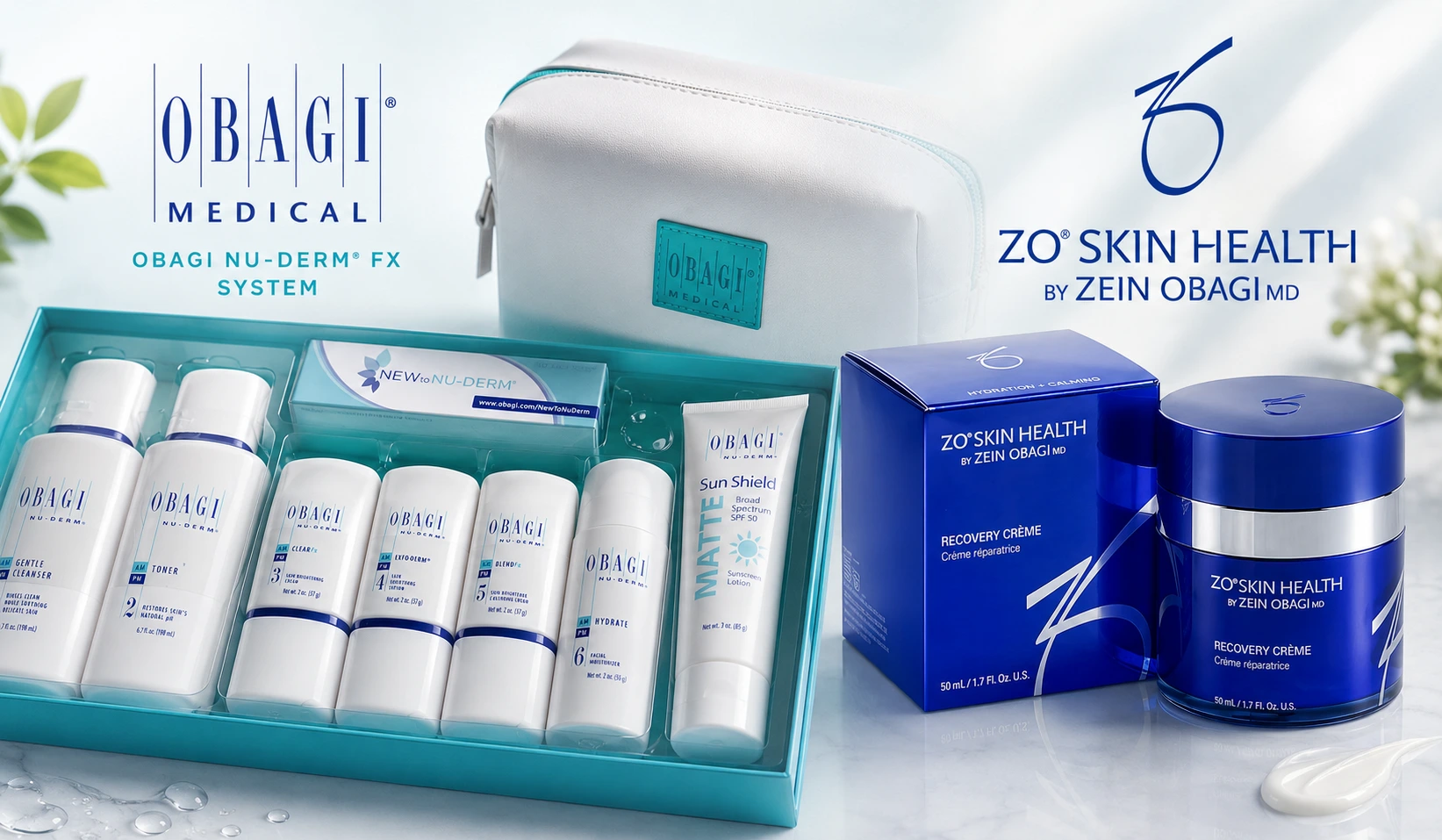
Obagi has been around since 1988. It was started by a doctor named Dr. Zein Obagi. The brand became famous for its Nu-Derm system, which helps with dark spots, wrinkles, and uneven skin tone. You can find Obagi in dermatologist offices, med spas, and some online shops. The products are strong. They use real, working ingredients like hydroquinone, retinol, and vitamin C. Most people use Obagi when they want to fix a clear problem like sun damage, melasma, or aging skin. It is a treatment-first brand, not a basic daily routine.
A Quick Look at Each Brand
Zo Skin Health came later, in 2007. Here is the funny part: Dr. Zein Obagi started Zo too. He left his old company and built a new one with newer science. Zo focuses on healthy skin from the inside out. The brand pushes daily skin care, not just spot fixes. You will see ingredients like retinol, niacinamide, and growth factors in many of their bottles. Zo is also sold through skin doctors and clinics. Some people say Zo feels more modern. Others stick with Obagi because they trust the older formulas. Both brands are pro-level, not drugstore.
Obagi vs Zo: How Long Until You See Results?
Time is a big deal when it comes to skin care. Nobody wants to wait forever. With Obagi, most people start to see small changes around week 4. Dark spots fade slower, often by week 8 to 12. The full Nu-Derm program can take 18 to 24 weeks for big changes. Zo tends to work a bit faster for some folks. You may notice smoother skin in 2 to 4 weeks. Bigger results, like clearer pores and even tone, show up around week 6 to 12. Both brands ask for patience. Skipping days will slow you down. Quick fixes do not really exist in skincare, no matter what TikTok says.
Why Some Brands Work Faster
The speed comes from how each brand mixes its products. Obagi often uses a step-by-step system. You apply one product, wait, then apply the next. Zo bundles more action into fewer steps. That can mean faster early results. But faster is not always better. Slow and steady can actually be safer for sensitive skin. Your age, skin type, and how often you use the products also matter. People with thicker, oilier skin often see results sooner. Folks with dry or thin skin may need more time. Sun also slows things down, so wear SPF every day no matter what. Stress and bad sleep can mess with results too.
Top Obagi Products to Try
If you are new to the brand, do not buy the whole system at once. Start small. The Obagi-C Rx C-Clarifying Serum is a good first pick. It mixes vitamin C with a small dose of hydroquinone to fade spots. The Professional-C Serum 15% is great for brightening if you want a gentler option. For wrinkles, the Retivance Skin Rejuvenating Complex is solid. It uses retinaldehyde, which is strong but kinder than pure retinol. And the Hydrate Facial Moisturizer is a cult favourite for dry skin. It locks in moisture for up to 8 hours.
Best Obagi Picks for Beginners
When people compare obagi vs zo for the first time, they often feel lost in the price tags. Obagi has cheaper entry points. The Obagi360 line is built for younger skin and people in their 20s and 30s. It costs less than the full Nu-Derm system. Try the Obagi360 Retinol 0.5%. It helps with early lines and rough texture. Pair it with a basic cleanser and SPF. That is honestly all you need to start. Skip the fancy bundles for now. Once your skin gets used to retinol, you can level up to stronger products without wasting money.
Top Zo Skin Health Products to Try
Zo has some real winners, too. The Daily Power Defense is the one most people rave about. It uses retinol and DNA repair enzymes to fight aging while you sleep. The Exfoliating Polish is a fan favourite for smoother skin. It has tiny magnesium crystals that scrub off dead cells. For oily or acne-prone skin, the Complexion Renewal Pads are a quick wipe-and-go fix. They have salicylic acid and glycolic acid. The Growth Factor Serum is pricey but powerful. It helps thicken skin and soften deep lines. Most Zo products feel light and sink in fast. They do not leave that greasy, sticky film some heavy creams leave behind.
Best Zo Picks for Sensitive Skin
If your skin gets red or stings easily, start with the Zo Gentle Cleanser and the Recovery Creme. These two are calming. They will not strip your skin or burn. Once your skin feels stable, add in the Daily Power Defense at night. Skip strong acids in the first month. Sensitive skin needs time to build up tolerance. Also, do not mix too many actives at once. One serum is plenty in the early days. And drink water. It sounds boring, but dry, thirsty skin reacts more to products. Hydrated skin handles actives way better than dry skin does. Sleep helps too, more than people give it credit for.
Obagi vs Zo: Which One Should You Pick?
Here is where things get personal. No winner fits every face. Pick Obagi if you have stubborn dark spots, melasma, or sun damage from years of beach days. The Nu-Derm system is still one of the best fixes for deep pigmentation. Pick Zo if you want healthy, glowing skin and you care about long-term care over quick fixes. Zo also wins for people who hate complicated routines. Fewer steps, faster mornings. Budget matters too. Obagi has more low-cost options. Zo runs a little pricier but the bottles last a while. Think about your top skin worry first, then match it to the brand.
My Honest Pick
If I had to choose, I would pick Zo Skin Health for most people. The science feels newer. The routines are simpler. The results show up faster for the average user. But I want to be real with you. Obagi is still the gold standard for fixing dark spots. If that is your main worry, Obagi wins. The truth is, both brands are great. You really cannot mess up too badly with either one. Talk to a dermatologist before you buy. They can match products to your skin type. Buying blind from the internet is how people waste money. A 15-minute consult is cheaper than a wasted bottle of serum.
A Few Tips Before You Buy
Do not buy from random sellers on Amazon or eBay. Fake products are a real problem with both brands. Stick to a clinic, a doctor, or the brand’s official site. Always patch test new products on your inner arm first. Wait 24 hours. If your skin freaks out, do not put it on your face. Start slow with retinol — every other night, then work up. Wear sunscreen every single morning. SPF 30 or higher. Without it, you are just throwing money away. And give your skin at least 12 weeks before you decide a product is not working. Take photos every two weeks so you can track real progress.
Side-by-Side: Obagi vs Zo at a Glance
Sometimes a quick chart helps more than long paragraphs. Here is how the two brands stack up on the things that matter most.
| Feature | Obagi | Zo Skin Health |
|---|---|---|
| Founded | 1988 | 2007 |
| Best for | Dark spots, melasma, sun damage | Daily care, glow, anti-aging |
| Time to results | 8–24 weeks | 4–12 weeks |
| Routine style | Step-by-step system | Simpler daily routine |
| Price | More budget options | Mid to high price |
| Where to buy | Doctor offices, clinics | Doctor offices, clinics |
Read the chart, then trust your gut. If a row jumps out, that is your answer.
Final Thoughts
Both Obagi and Zo are top-tier brands. They are loved by skin doctors for good reason. The big difference is the style. Obagi is the classic fixer. Zo is the modern routine builder. If your goal is to erase dark spots and old sun damage, lean Obagi. If you want simpler steps and faster glow, lean Zo. The obagi vs zo question really comes down to your skin goals and your patience. Either way, be ready to wait a few months. Real skin care is slow. But the results, when you stick with it, are worth every penny.