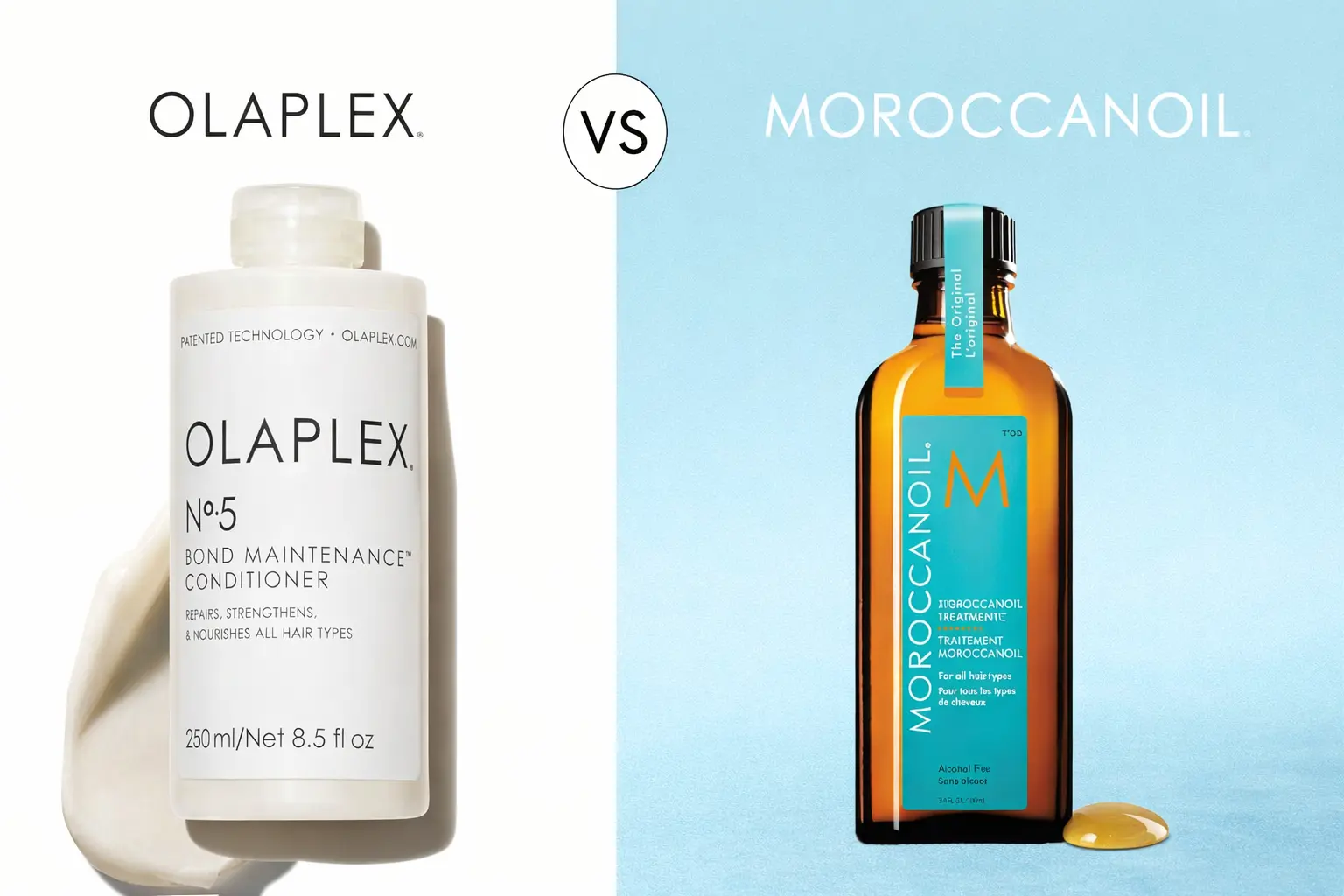
I have a drawer full of half-used hair products. Most of them were a waste of money. But two products actually earned a permanent spot in my bathroom: Olaplex No. 3 and Moroccanoil (Olaplex vs Moroccan Oil) Treatment. I used both for a full month, on the same damaged, colour-treated hair, and I want to tell you exactly what happened.
If you’re standing in Sephora right now, phone in hand, trying to decide which one to buy (Olaplex vs Moroccan OiL), this post is for you.
Quick Takeaways
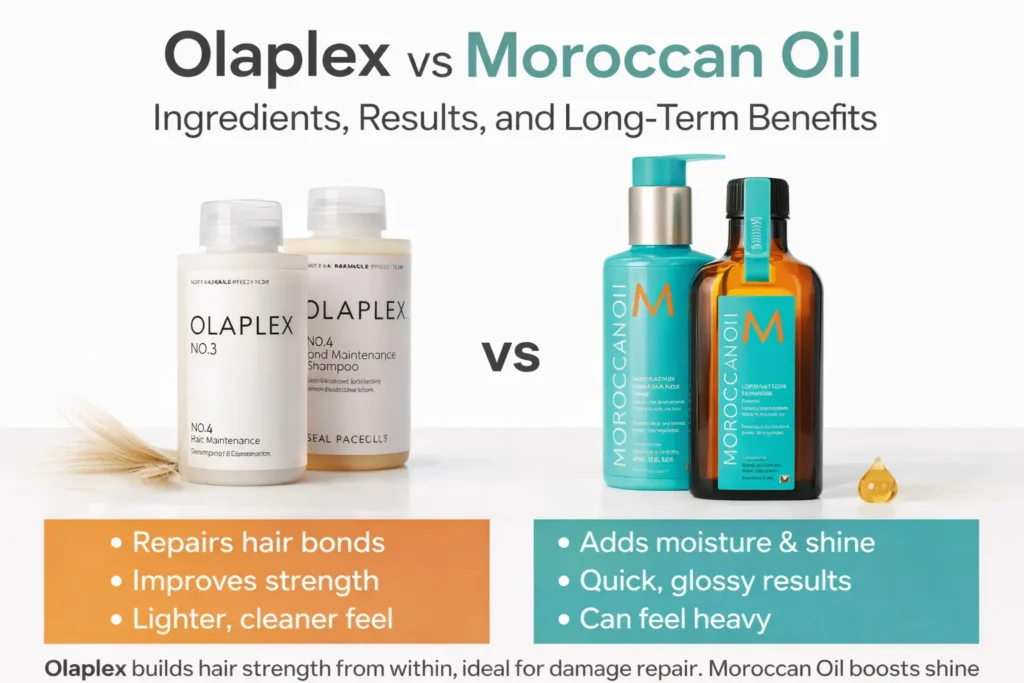
- Olaplex No. 3 repairs broken hair bonds from the inside. It’s best for damaged, bleached, or color-treated hair.
- Moroccanoil Treatment is an argan oil blend that smooths and adds shine right away. It’s best for dry or frizzy hair that isn’t badly damaged.
- Olaplex No. 3 costs around $30 for 3.3 oz. Moroccanoil Treatment costs around $44 for 3.4 oz, but you only need a drop or two per use.
- You don’t have to pick just one. A lot of people (me included) use both, just at different steps.
My Hair Situation, Real Quick
I’ve been colouring my hair for six years. I went from dark brown to a lighter blonde last spring, and my ends have paid the price ever since. Before I started this test, my hair was dry, a little straw-like at the tips, and it tangled if I so much as looked at it the wrong way.
So this isn’t a review from someone with perfect, healthy hair. This is a review from someone who needed help.
What Is Olaplex No. 3, Really?
Olaplex No. 3 is not a conditioner. It’s a treatment you use before you shampoo, once or twice a week. The main ingredient is called bis-aminopropyl diglycol dimaleate, which is a mouthful, but here’s the simple version: it finds broken bonds inside your hair strand and reconnects them.
Think of your hair like a rope made of thousands of tiny threads. Colouring, bleaching, and heat styling snap some of those threads. Olaplex acts like glue for the ones that snapped.
How I used it: I applied it to towel-dried hair, left it on for 15 minutes (some people leave it longer, even overnight), then shampooed and conditioned like normal. I did this twice a week for four weeks.
What I noticed: By week two, my ends stopped catching on my hairbrush. By week four, my hair actually looked shinier, not just “coated” shiny, but healthier shiny. It didn’t fix six years of damage overnight, but it was the first product that made a real difference I could feel with my hands, not just see in a mirror under good lighting.
What Is Moroccanoil Treatment, Really?
Moroccanoil Treatment is the little brown bottle with the orange cap. Every salon seems to have one sitting on the counter. It’s not a bond repair product. It’s an oil blend built around argan oil, along with silicones like cyclomethicone and dimethicone that give hair an instant smooth finish.
This one is used differently. You apply a few drops to wet or dry hair, and it works right away. There’s no waiting, no rinsing.
How I used it: I put a dime-sized amount on damp hair after washing, focusing on my mid-lengths and ends, then blow-dried like normal. On non-wash days, I’d smooth a tiny drop on dry hair to calm frizz.
What I noticed: The results were instant. My hair felt silky and looked shiny the second it dried. It also cut my blow-dry time down, which is a nice bonus on a busy morning. But here’s the honest part: it’s a surface fix. It didn’t repair the actual damage. It just made the damage look better.
Olaplex vs Moroccan oil: Side-by-Side Comparison
| Olaplex vs Moroccan OiL | Olaplex No. 3 | Moroccanoil Treatment |
|---|---|---|
| What it does | Repairs broken hair bonds | Smooths and adds shine on the surface |
| Best for | Damaged, bleached, chemically treated hair | Dry or frizzy hair that’s fairly healthy |
| When you use it | Before shampoo, 1-2x per week | On wet or dry hair, daily if you want |
| Results | Gradual, builds over weeks | Instant |
| Price | About $30 for 3.3 oz | About $44 for 3.4 oz |
| How long a bottle lasts | 2-3 months with weekly use | 3-6 months, since you only need a drop |
(Citation capsule: Olaplex No. 3 Hair Perfector retails for around $28-$30 for a 3.3 oz bottle, while Moroccanoil Treatment retails for around $44 for a 3.4 oz bottle, according to product comparisons from Videri Hair and Beauty, 2025.)
Which One Actually Fixed My Hair?
Honestly? Neither one alone. They fixed two different problems.
Olaplex fixed the structure of my hair. It’s the reason my ends stopped snapping off, and my hair felt stronger when I ran my fingers through it.
Moroccanoil fixed how my hair looked and felt on any given day. It’s the reason I stopped hating my blow-dry routine.
If I had to pick just one, and my hair was as damaged as it was before I started, I’d pick Olaplex. Shine you can fake. Actual hair strength, you can’t. But if your hair is already pretty healthy and you just want that salon-smooth finish, Moroccanoil might be all you need.
Can You Use Both Together?
Yes, and I do. Here’s the order that worked for me:
- Apply Olaplex No. 3 to dry or towel-dried hair.
- Wait 15-20 minutes.
- Shampoo and condition as usual.
- Once hair is towel-dried again, apply a small amount of Moroccanoil Treatment.
- Style as normal.
One quick tip: silicones from Moroccanoil can build up on your hair over time and block moisture from getting in. So if you use both, clarify your hair with a gentle clarifying shampoo every couple of weeks. That way Olaplex can actually do its job without a silicone layer in the way.
Price Per Use: Which One Is the Better Deal?
Moroccanoil costs more upfront, but since you only need a couple of drops each time, the bottle stretches further. Olaplex costs less per bottle, but you go through more of it since you’re using a larger amount each session.
In my case, over one month, I spent roughly the same amount on both. So don’t let the sticker price scare you off Moroccanoil, and don’t assume Olaplex is the “cheap” option just because the bottle costs less.
Who Should Buy Olaplex No. 3?
- You colour, bleach, or chemically treat your hair regularly
- You use heat tools (flat iron, curling wand) most days
- Your ends feel rough, straw-like, or break easily
- You want long-term repair, not just a quick fix
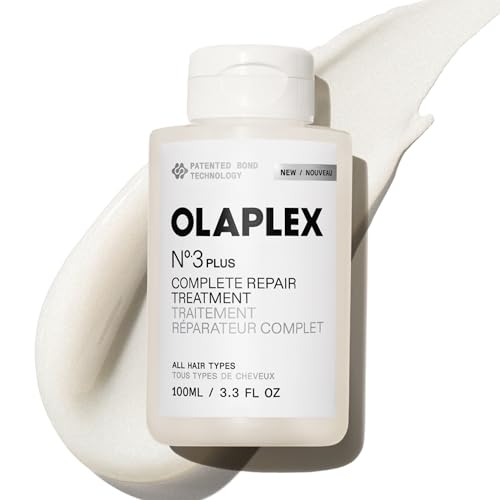
- Transform damaged hair in just 3 minutes before you shampoo with N°.3PLUS. This hair damage repair treatment is clinical…
- KEY BENEFITS ✓ Fast, 3 minute pre-shampoo hair treatment ✓ Immediately softer, stronger hair ✓ Repairs all types of dama…
- GENERAL CLAIMS 3X stronger hair* 3X softer hair** Reverses hair damage in one use*** 75% stronger internal hair structur…
Who Should Buy Moroccanoil Treatment?
- Your hair is healthy but dry or frizzy
- You want instant shine and a smoother finish
- You want to cut down your blow-dry time
- You’re not dealing with major chemical damage
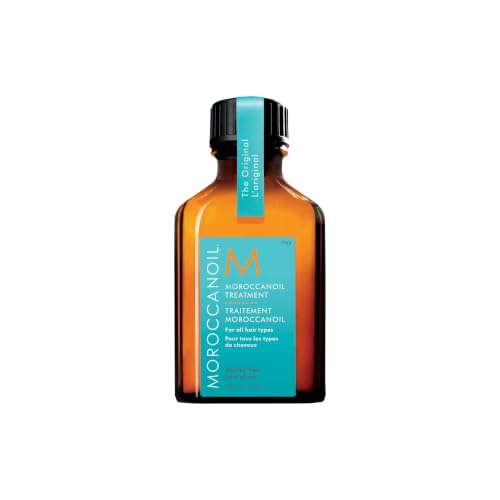
- Named the #1 hair oil brand in the US*
- Boosts shine by up to 118%*
- For medium to thick or curly hair
Frequently Asked Questions
Yes. Use Olaplex No. 3 before you shampoo, then apply Moroccanoil Treatment after your hair is towel-dried. They work at different steps, so they don’t cancel each other out.
Not really. Moroccanoil Treatment smooths and coats the hair with argan oil and silicones for instant shine, but it doesn’t repair broken bonds the way Olaplex No. 3 is designed to do.
Most people use it once or twice a week. Using it more often than that isn’t usually necessary, since it’s a concentrated bond-building treatment, not a daily conditioner.
For damaged or color-treated hair, most people notice a real difference within three to four weeks of consistent use, based on gradual bond repair rather than a one-time fix.
If your hair is damaged from colour or heat styling, start with Olaplex No. 3. If your hair is healthy but dry or frizzy, start with Moroccanoil Treatment.
My Honest Final Take
I went into this expecting one clear winner. I didn’t get one, and honestly, I’m glad. Olaplex earned its spot for actually strengthening my hair over time. Moroccanoil earned its spot for making my hair look good on the days that matter, like before a wedding or a job interview.
If your hair needs real repair, start with Olaplex. If it just needs to look better right now, grab the Moroccanoil. And if you’re like me, keep both bottles in the shower and let them each do their own job.