
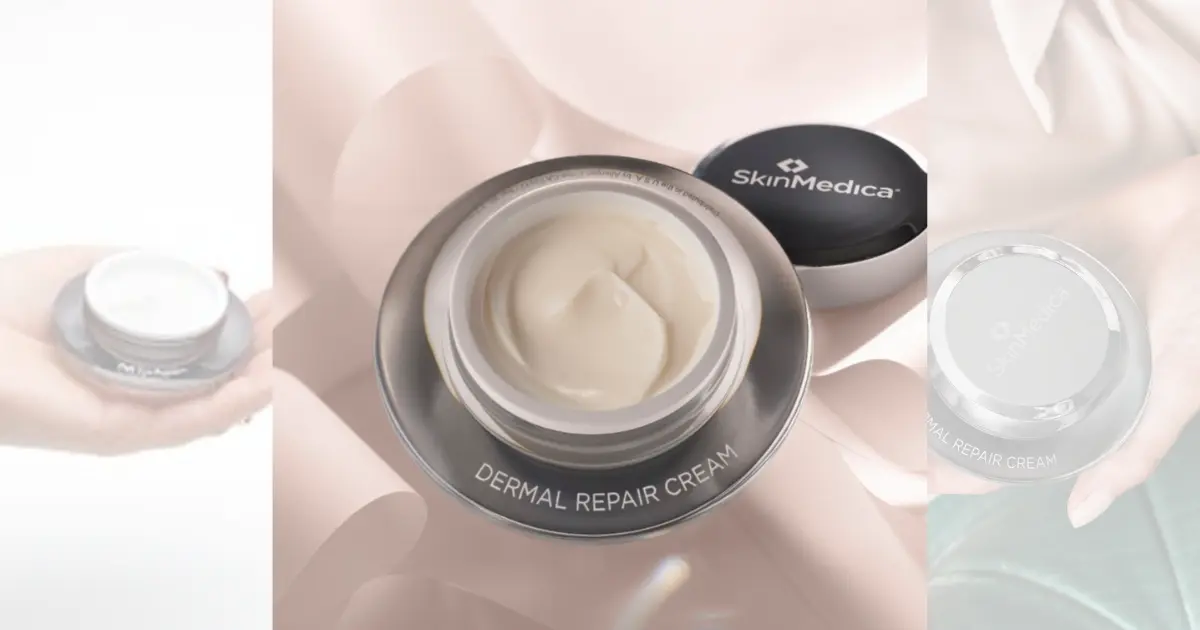
The delicate skin around your eyes is often the first to show signs of aging, stress, and fatigue. That’s why investing in a high-quality eye treatment, like SkinMedica TNS Eye Repair, is a powerful step in your skincare routine.
Loved by dermatologists for its blend of growth factors, antioxidants, and skin-strengthening ingredients, this luxurious cream is a powerhouse for addressing fine lines, wrinkles, dark circles, and dryness.
But to unlock its full potential, application technique matters. Here are the essential tips, straight from the experts, to ensure you get the best possible results.
1. When to Apply: The Perfect Placement in Your Routine
Knowing where TNS Eye Repair fits in your skincare regimen is crucial for absorption and effectiveness.
- Twice Daily is Key: For optimal results, apply TNS Eye Repair both morning and evening. Consistency is paramount with growth factors and anti-aging ingredients.
- The Layering Rule: Dermatologists generally recommend applying skincare products from thinnest consistency to thickest.
- Apply TNS Eye Repair after all your thinner treatment serums (like your Vitamin C serum or TNS Advanced+ Serum).
- Apply it before your facial moisturizer.
- Nighttime Boost: TNS Eye Repair is particularly beneficial in the evening, as it contains a gentle, lipid-soluble form of Retinol (Vitamin A) to support cell renewal while you sleep.
2. How to Apply: The Dermatologist-Recommended Technique
The skin under your eyes is incredibly thin and fragile. You must treat it gently! Avoid rubbing and tugging, which can break down collagen and elastin, leading to more fine lines.
| Step | Technique | Rationale |
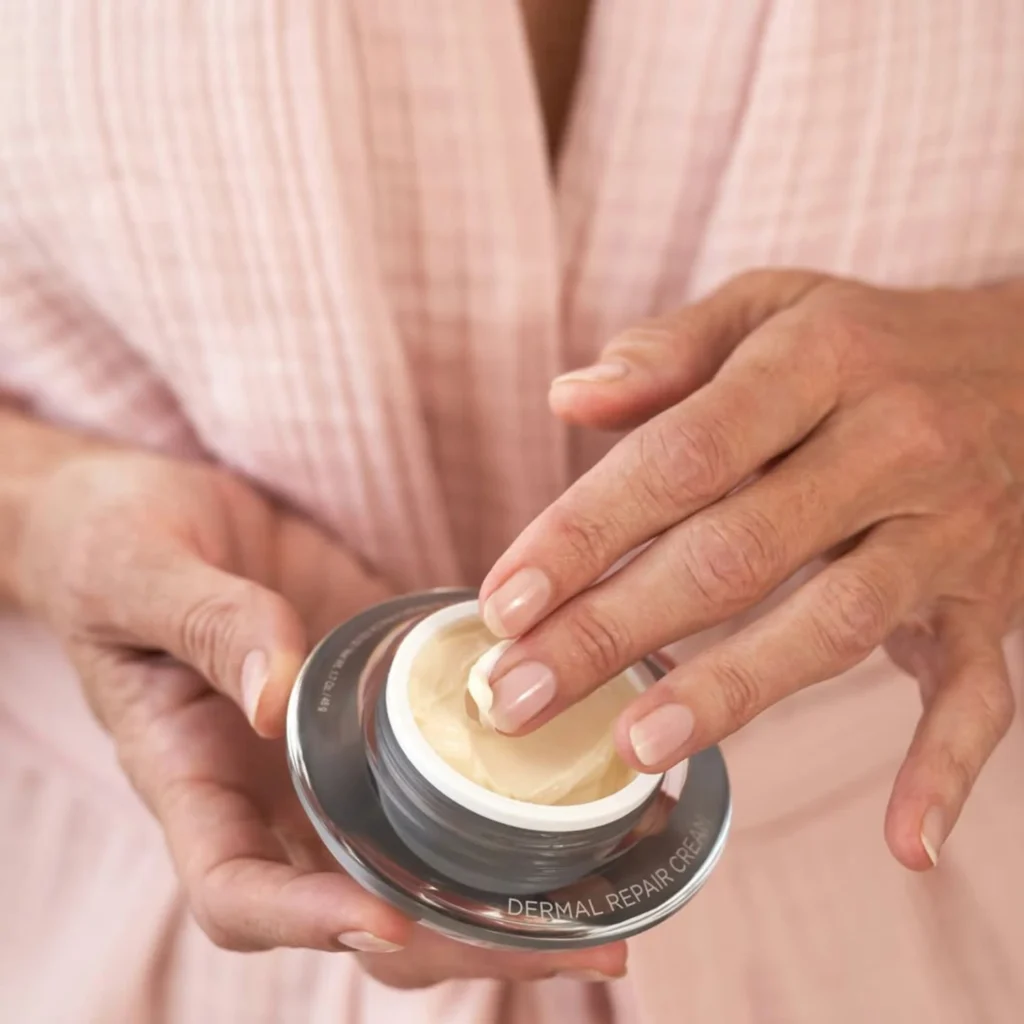
| 1. Dispense | Use the enclosed spatula to scoop a thin layer (about a pea-size for both eyes) onto the back of your hand. This prevents contamination. | Keeps the product sterile and prevents using too much. |
| 2. Use the Ring Finger | Transfer a small amount to your ring finger (it naturally applies the least pressure). | Applies gentle pressure to avoid stressing the delicate skin. |
| 3. Pat, Don’t Rub | Gently pat and tap the cream onto the skin. Do not drag or massage vigorously. | Promotes absorption without causing inflammation or damage. |
| 4. Target the Bony Area | Apply it to the orbital bone—the hard, bony ridge that surrounds your eye socket—and around the outside corners (crow’s feet area). | The product is formulated to migrate slightly to the surrounding area without causing irritation by getting too close to the eye itself. |
| 5. Avoid the Eyelid | Do not apply TNS Eye Repair on your upper eyelids or too close to the lash line. | This prevents the product from migrating into the eye, which can cause irritation. |
| 6. Wait | Give the product about 60 seconds to absorb fully before applying your facial moisturizer or makeup. | Allows the active ingredients to penetrate the skin effectively. |
3. Key Ingredients for Maximum Impact
TNS Eye Repair is a multi-tasker because of its unique blend of science-backed ingredients:
- TNS (Human Fibroblast Conditioned Media): The proprietary blend of growth factors, cytokines, and matrix proteins that helps support the skin’s natural healing and renewal processes, leading to smoother, firmer skin.
- Peptides: Work synergistically with the growth factors to improve the look of fine lines and wrinkles.
- Vitamins C & E: Powerful antioxidants that protect the delicate skin from environmental free-radical damage.
- Retinyl Palmitate: A gentle, lipid-soluble form of Vitamin A that helps promote cell turnover and improve texture.
By incorporating this application technique, you are ensuring every valuable ingredient gets exactly where it needs to go to deliver the best possible anti-aging and hydrating benefits.
Want More Expert Skincare Advice?
For personalized guidance on how TNS Eye Repair fits into your specific skin type and routine, or to address persistent skin concerns, it is always best to consult a board-certified professional.
You can find a qualified dermatologist in your area by visiting the search tool for the American Academy of Dermatology (AAD):
Disclaimer: This blog post provides general information and application tips. Always consult with your dermatologist before introducing new products, especially if you have sensitive skin or other eye conditions.